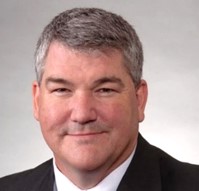
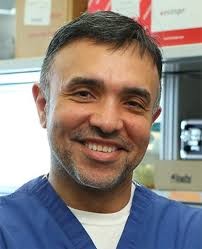
Ayman Al-Hendy
USAAyman Al-Hendy
Dr Ayman Al-Hendy is currently a Professor (Tenure) and Vice Chair (Research), Department of Obstetrics and Gynecology, Advisor to Dean of Medicine, Pritzker School of Medicine, University of Chicago (UC). Dr. Al-Hendy is also professor and chair of Dept of Medical Sciences, Khalifa University, Abu Dhabi, United Arab Emirates. Dr. Al-Hendy is a Gynecologist and minimally-invasive Surgeon at UC Medical Center, Chicago, Illinois with a busy practice that focuses on serving women with symptomatic uterine fibroids and premature ovarian insufficiency. Dr. Al-Hendy graduated from Banha Faculty of Medicine, Zagazig University, Banha, Egypt in 1986. After 1 year of internship at Banha University Hospital, he headed to Finland to earn his PhD in Molecular Medicine from University of Turku, Turku, Finland. He then gained additional postdoctoral training in gene/cell therapy and clinical molecular genetics at McMaster University and McGill University in Canada, before completing clinical residency training in Obstetrics and Gynecology at University of Saskatchewan and fellowship training in laparoscopic surgery at Toronto University, both in Canada. Dr. Al-Hendy is double board certified by the Royal College of Surgeons of Canada and The American Board of Obstetrics and Gynecology. In United States of America, Dr. Al-Hendy held various faculty positions at University of Texas Medical Branch, Galveston, Texas, Meharry Medical College/Vanderbilt University, Nashville, Tennessee, and Medical College of Georgia, Augusta, Georgia, before moving to Chicago, Illinois.
Dr. Al-Hendy utilizes the methods of basic, translational, clinical and community research to address important medical diseases. Dr. Al-Hendy medical research interests focus on developing novel therapies including gene and stem cell therapy for Premature Ovarian insufficiency, Endometriosis, and particularly Uterine Fibroids. He has championed the use of specific natural fertility-friendly non-hormonal compounds such as green tea extracts (Epigalcatchin Gallate, EGCG) and vitamin D for prevention and treatment of uterine fibroids. He was first (2010) to introduce hypovitaminosis D as a risk factor to development of uterine fibroids and a contributing reason of why they are much more prevalent in women of color. An observation that has been confirmed subsequently by numerous publications globally.
Dr. Al-Hendy also pioneered (2009) the concept of enhancing ovarian folliculogenesis via direct intra-ovarian injection of appropriate augmenting biologics. After ample preclinical work on utilizing human bone marrow mesenchymal stem cells or its exosomes (naïve or enhanced) to treat representative animal models, Dr. Al-Hendy has started clinical trials to translate such innovative approach to women suffering from premature ovarian insufficiency as well as other ovarian causes of infertility.
In 2010, Dr. Al-Hendy was awarded the American Society of Reproductive Medicine’s (ASRM) 2010 Ira and Ester Rosenwaks Award for his significant contribution to the field of translational Reproductive Biology. In 2014 he received the alpha Omega alpha clinician scientist of the year award by the Medical Honor Society and in 2015 the President Achievement Award as well as Rogerio A. Lobo Award from the Society of reproductive Investigations (SRI). Dr. Al-Hendy research has been continuously funded by various agencies since 2002 including NIH (NICHD, NIEHS, NIMHD, ODS, OD, NCRR), USDA, and other national and international organizations. He has served as Chair of the NIH Integrative Clinical Endocrinology and Reproduction (ICER) IRG 2013-2015 and also serves on numerous other committees with organizations such NIH, ASRM, SRI and as Co-Editor-in-Chief of The SRI Journal, Reproductive Sciences as well as on several editorial boards of high impact journals. Dr. Al-Hendy has been elected as SRI 71st President. He has published more than 311 peer reviewed medical articles in high tier peer reviewed scientific journals with more than 16,000 citations in the understudied area of non-malignant (benign) gynecology (H-index 71), above 400 presentations in national and international meetings, and has edited 5 medical books.
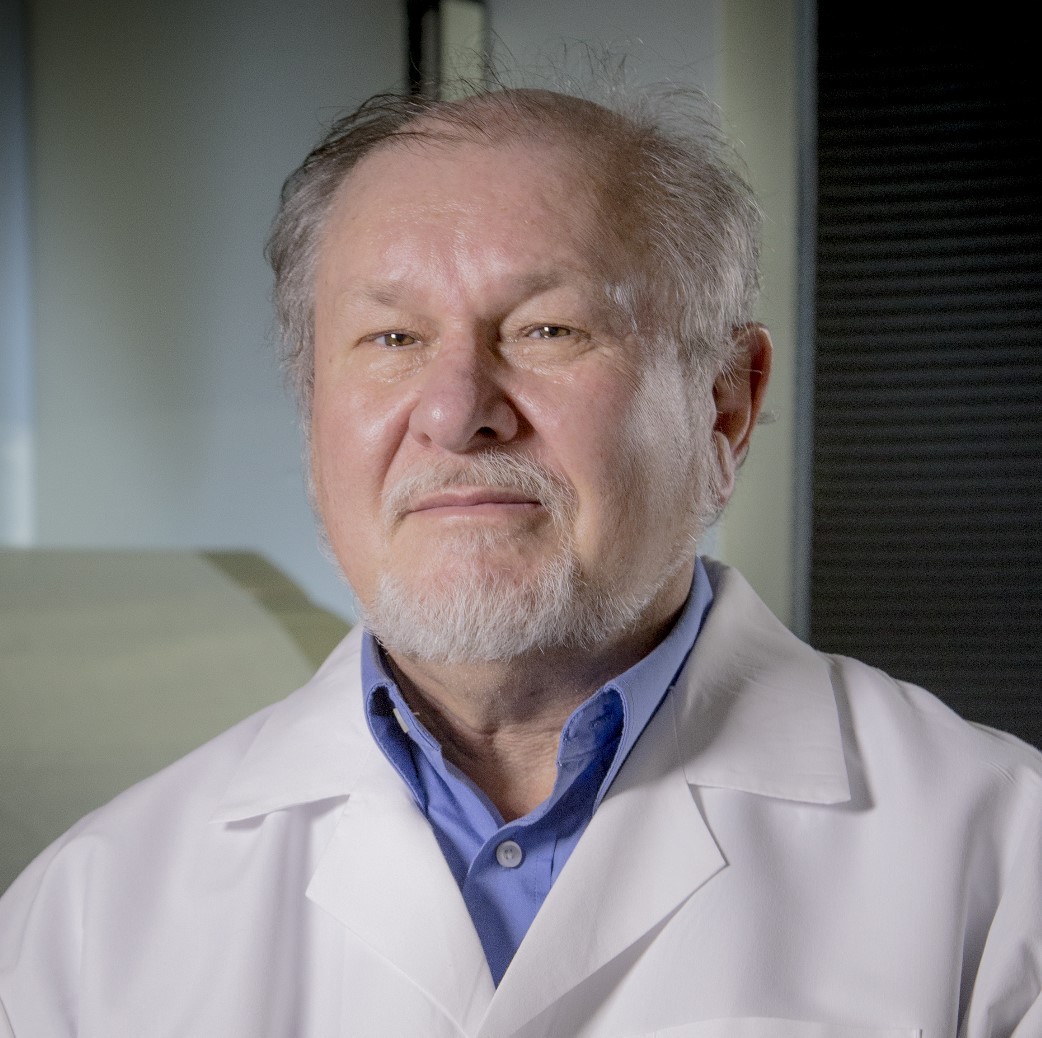
David Albertini
USADavid Albertini
Following 40 years in academia, Dr Albertini continues his research on human egg and embryo biology in reproductive medicine in basic and clinical settings. He studies human ovarian aging and early development at the Center for Human Reproduction and The Rockefeller University where he holds Visiting Scientist positions. In 2019, he joined the Bedford Research Foundation where he continues to explore human egg maturation and activation following vitrification to understand both the underlying causes of meiotic and mitotic aneuploidy and the impact ovarian tissue and oocyte cryopreservation on oocyte quality in humans. He has served as Editor-in-Chief of JARG since 2009.H-index 73 (https://scholar.google.com/citations?user=nqbnWq4AAAAJ&hl=en), >20,000 citations.
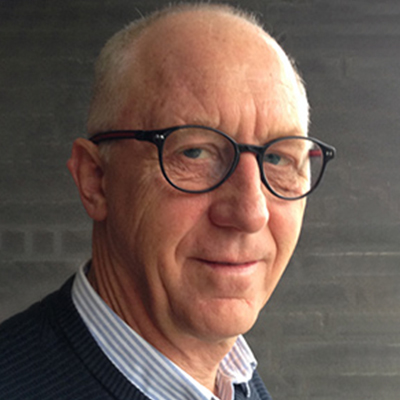
Claus Yding Andersen
DenmarkClaus Yding Andersen
Claus Yding Andersen, MSc, DMSc
Copenhagen University Hospital, Rigshospitalet, Denmark
Was part of the team that introduced IVF to Denmark in the mid 80’ties and has worked in reproductive medicine since then. He has headed a national program of cryopreservation of human ovarian and testicular tissue and is considered one of the pioneers in this field.
His major research contributions are ovarian endocrinology, oocyte maturation and ovulation, cryopreservation of gonadal tissue and development of new principles for ovarian stimulation including the agonist trigger and novel approaches to luteal phase support.
He has published almost 500 articles and is a much-requested speaker. He is chief editor of reproduction section of Frontiers in Endocrinology.

Leslie Appiah
USALeslie Appiah
Leslie Appiah, MD, is Professor and Chair of the Department of Obstetrics and Gynecology and Executive Director of the Center for Women’s Health Research at Meharry Medical College. She earned her medical degree from the University of Texas Southwestern Medical School, completed her obstetrics and gynecology residency at Sinai Hospital of Baltimore, and pursued a BIRCWH fellowship in reproductive genetics at Baylor College of Medicine, followed by a clinical fellowship in pediatric and adolescent gynecology at Texas Children’s Hospital.
An NICHD CREST Scholar, Dr. Appiah is an internationally recognized leader in fertility preservation and reproductive survivorship. She has served on the Children’s Oncology Group and American Society for Reproductive Medicine Fertility Drugs and Cancer Task Forces. She has authored more than 50 peer-reviewed manuscripts and book chapters and delivered over 100 national and international lectures.
Dr. Appiah co-founded the Pediatric Initiative Network of the Oncofertility Consortium. She has also chaired the Consortium’s Female Scientific Committee since its inception and serves as Executive Co-Chair of the Reproductive Health Outcomes and Preservation Evaluation Collaborative. She has held leadership positions within the American Society for Reproductive Medicine and the North American Society for Pediatric and Adolescent Gynecology and is a Fellow of the American Gynecological and Obstetrical Society. An alumna of the Executive Leadership in Academic Medicine program, she has received numerous honors, including recognition as a Denver 5280 Top Doctor and a Castle Connolly Exceptional Woman in Medicine.
Her clinical and research interests include fertility preservation in pediatric, adolescent, and young adult patients; reproductive late effects of cancer and its treatment; and hormone replacement therapy for medically complex patients.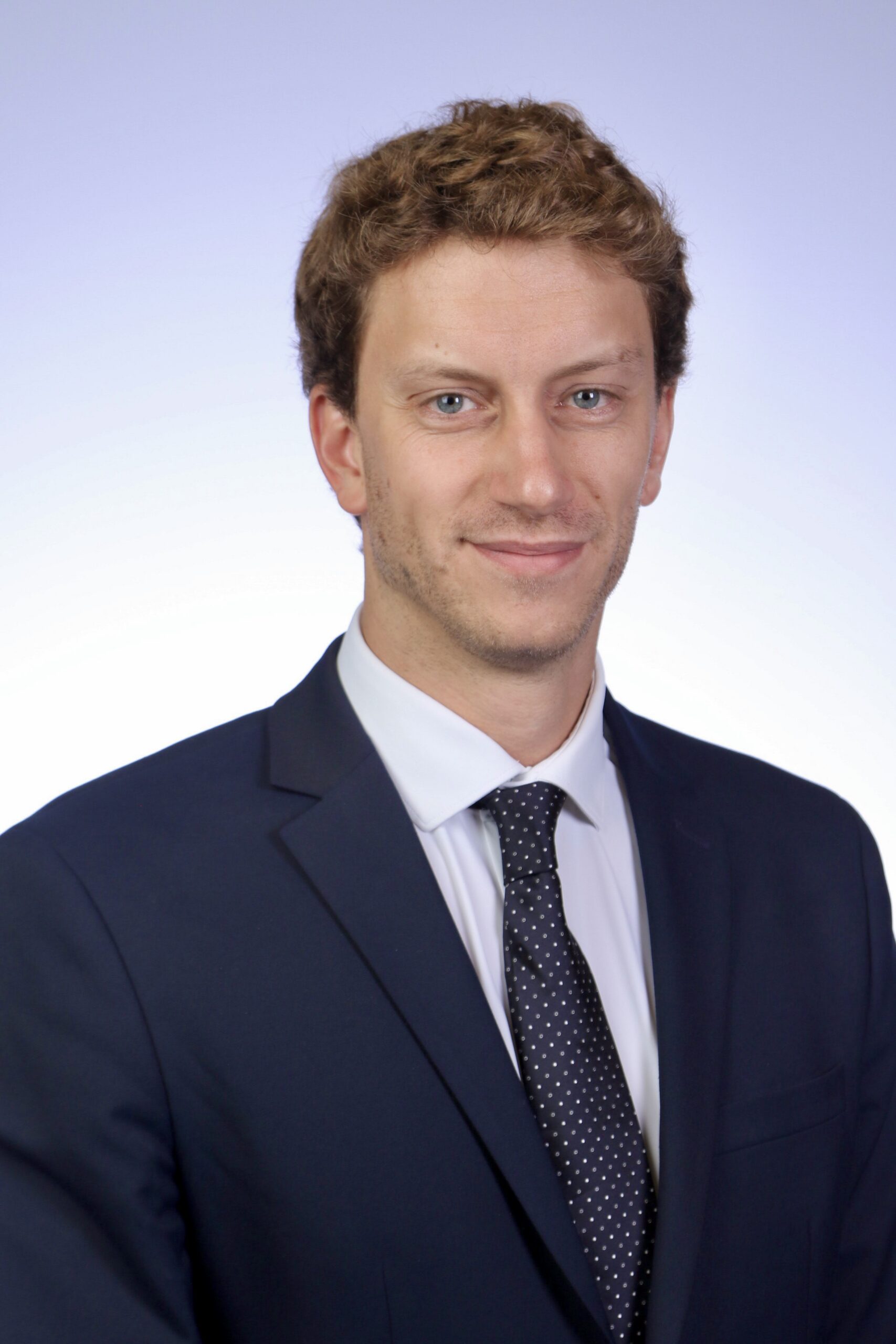
Luca Arecco
BelgiumLuca Arecco
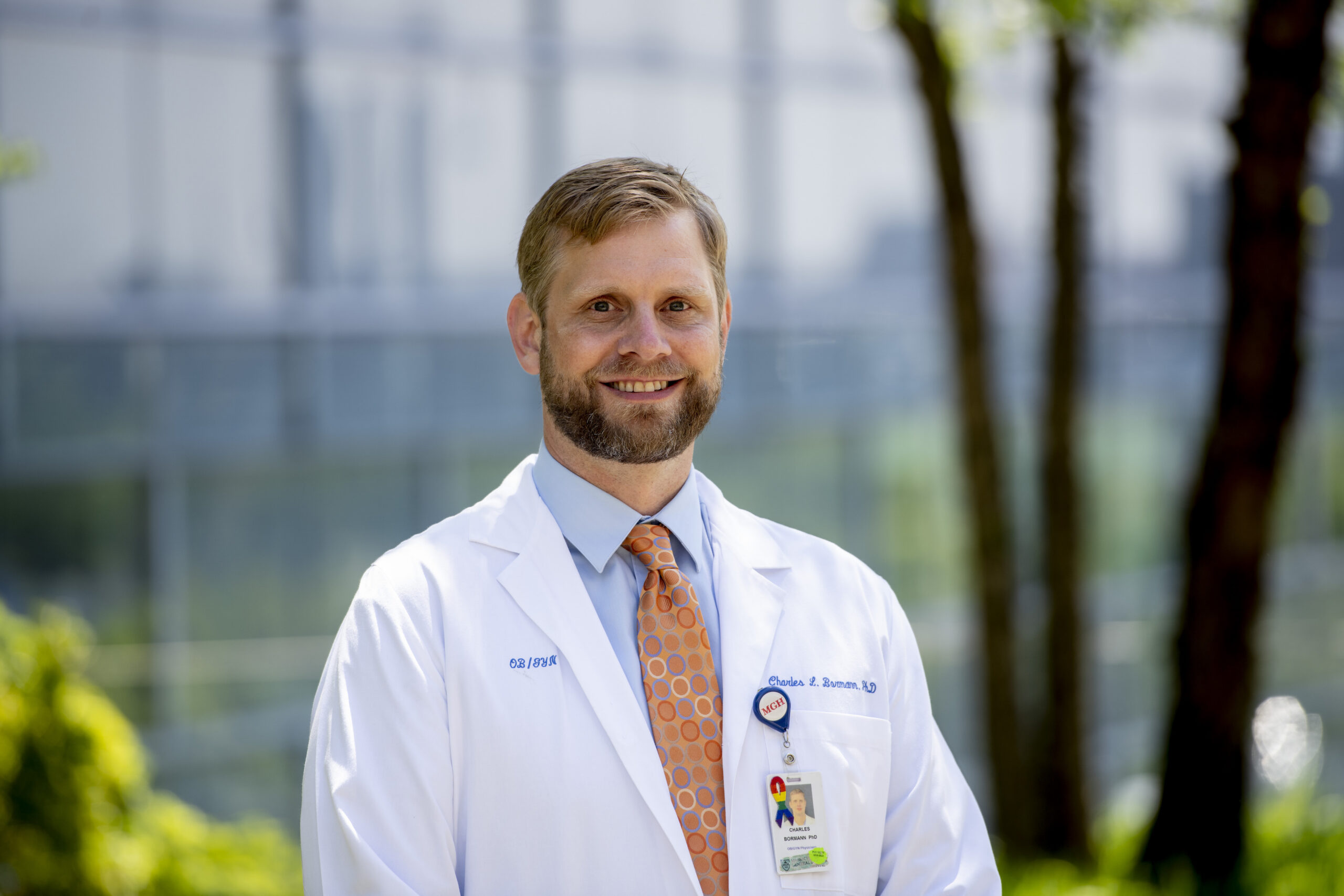
Dr Luca Arecco is a medical oncologist and ESMO Clinical Research Fellow at the Institut Jules Bordet in Brussels, Belgium, where he works within the Clinical Trial Center. He is also a PhD student at the Université Libre de Bruxelles. He completed his medical oncology training at the University of Genova in Italy.
His clinical and scientific activity is mainly focused on breast cancer, with a particular interest in young women and early-onset disease. His research addresses fertility and pregnancy-related issues after cancer diagnosis, gonadotoxicity of anticancer treatments, fertility-preservation strategies, pregnancy after breast cancer, and breast cancer in young BRCA carriers. Dr. Arecco has contributed to several studies in the field of oncofertility and breast cancer survivorship, including works on the fertility preservation and pregnancies after breast cancer, and the clinical and biological characteristics of breast cancer in young BRCA carriers.
He has presented his research at major international oncology and reproductive medicine meetings and has received several awards and research supports, including the ESMO Clinical Research Fellowship, ESMO and ESMO Breast Merit Travel Grants, and the ASCO Conquer Cancer Merit Award.
He currently serves as a member of the ESMO Early Onset Cancer Task Force, contributing to collaborative international efforts focused on advancing research and improving the care of patients with early-onset cancers.
Charles Bormann
USACharles Bormann
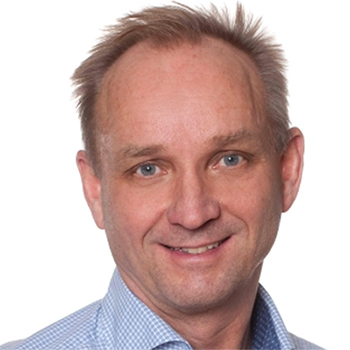
Charles L. Bormann, PhD is an Associate Professor of Obstetrics and Gynecology at Harvard Medical School and Director of the IVF Laboratory at Massachusetts General Hospital and Brigham and Women’s Hospital. A reproductive physiologist by training, he has spent his career advancing assisted reproductive technology, with a particular focus on the application of artificial intelligence and machine learning to embryo assessment and IVF outcomes. Dr. Bormann is an active researcher, educator, and mentor, and has held leadership positions in several national and international reproductive medicine societies.
Mats Brännström
SwedenMats Brännström
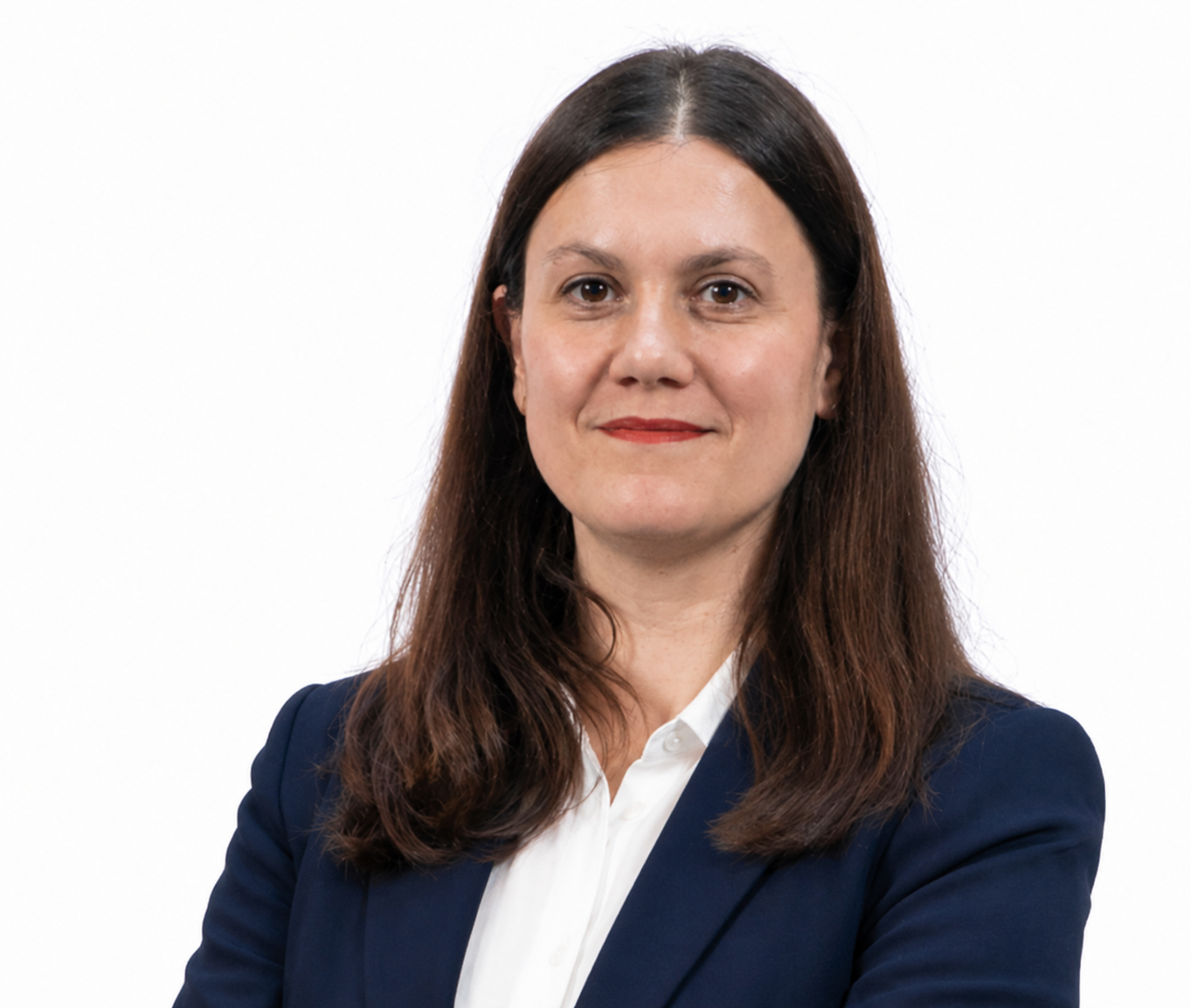
Professor Mats Brännström is subspecialized in Gynecological Oncology and Reproductive Medicine and is internationally recognized as the founder and leading pioneer of uterus transplantation, the only treatment enabling pregnancy in women with absolute uterine factor infertility. Through a systematic translational research program spanning more than a decade, progressing from rodents to large domestic animals and non-human primates, he and his colleagues optimized uterus transplantation for clinical application in humans.
To date, more than 170 uterus transplantations have been performed worldwide, resulting in over 70 live births. The Swedish team has played a central role in training and collaborating with most of the more than 20 active centers globally, and uterus transplantation has now entered clinical practice in Sweden and several other countries.
Professor Brännström is a founding member and inaugural president of the International Society of Uterus Transplantation (ISUTx) and established the ISUTx international registry. In parallel with his academic work, he founded Stockholm IVF in 2015. He has authored over 400 scientific publications, cited more than 20,000 times (h-index 78, Google Scholar).
Luciana Cacciottola
FranceLuciana Cacciottola
Luciana Cacciottola, MD, PhD is a gynecologist and postdoctoral researcher at IRSN/CEA France, where her work focuses on follicle DNA damage and ovarian toxicity following radiotherapy. She also holds a position as Assistant Professor of Human Histology and Embryology at UniCamillus International University, Rome, and serves as clinical consultant in reproductive medicine and gynecological endocrinology.
Her scientific expertise spans oncofertility, ovarian biology and pathophysiology, and stem cell-based strategies for fertility preservation.
She serves as Associate Editor for Human Reproduction, is a Young Board Member of the ISFP, and Basic Science Officer of the ESHRE Special Interest Group for Stem Cells. In 2025, she was awarded a grant from Fondazione Roche Italia for emergent researchers (under 40) for independent research on the genetic legacy of radiotherapy in oocytes of young cancer survivors.
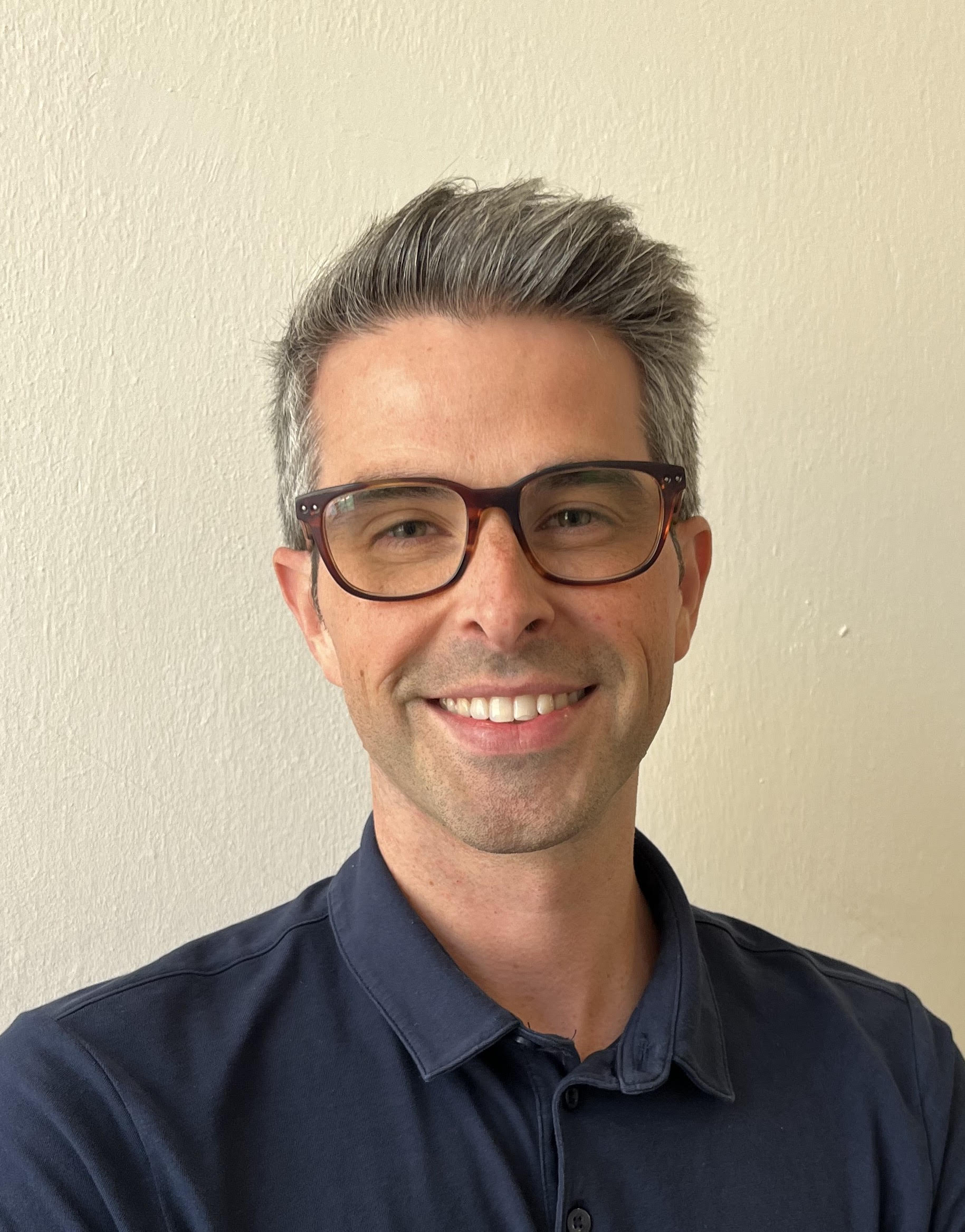
Jesus Cadenas
DenmarkJesus Cadenas
Dr. Jesús Cadenas is a senior researcher at the Laboratory of Reproductive Biology, Copenhagen University Hospital, Denmark, where he contributes to translational research at the forefront of human reproductive medicine. He holds an MSc in Biology and Technology of Reproduction from the University of Murcia, Spain, and a PhD in Veterinary Sciences with a specialization in Reproductive Biology from the State University of Ceará, Brazil.
Dr. Cadenas’ research centers on advancing the understanding and clinical application of human reproductive biology, with particular emphasis on the regulation of human oocyte maturation, the development of innovative in vitro maturation (IVM) systems, and the establishment of culture platforms for human preantral follicles aimed at recreating ovarian function in vitro.
As a member of the team leading the clinical implementation of IVM in Denmark, Dr. Cadenas plays an active role in translating laboratory discoveries into patient care. He has authored 44 peer-reviewed scientific publications and has an h-index of 19, reflecting the impact of his contributions to the field of reproductive medicine.
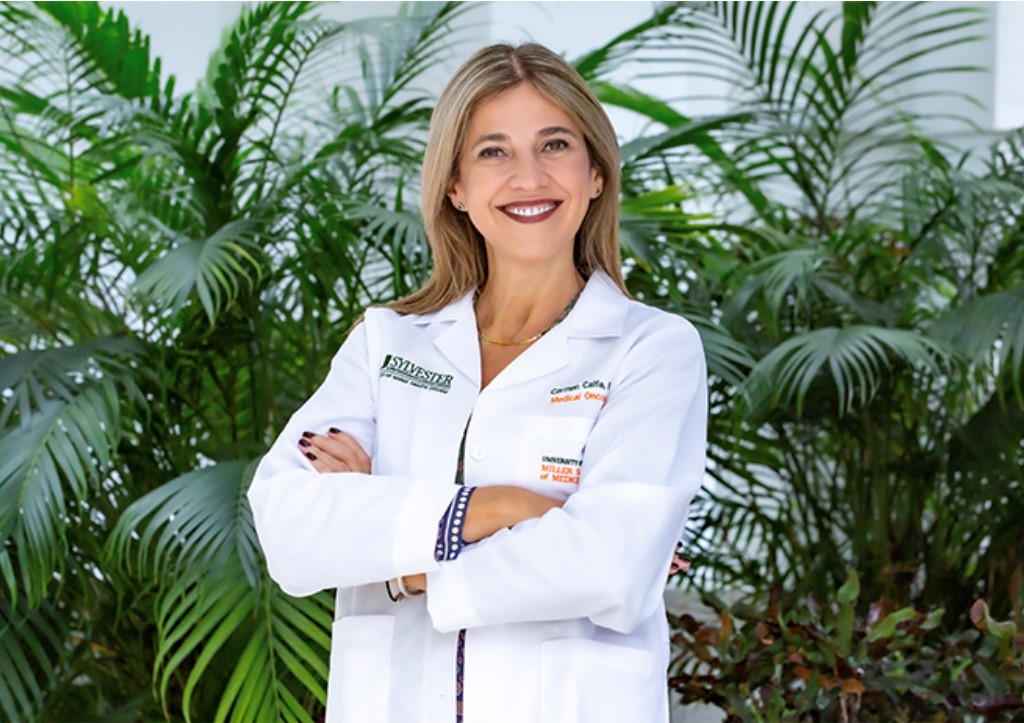
Carmen Calfa
USACarmen Calfa
Dr. Calfa is an Associate Professor of Clinical Medicine at the University of Miami Miller School of Medicine, Associate Director of Community Outreach and Medical Co-Director of the Survivorship Cancer Program at Sylvester Comprehensive Cancer Center.
She also serves as the Clinical Research Lead for the Breast Site Disease Group and Physician Leader of the Genetic Predisposition Syndrome Initiative at Sylvester Comprehensive Cancer Center. Furthermore, she leads Sylvester’s Multidisciplinary Survivorship Clinic Program and plays a key role in the Adolescent and Young Adult Steering Committee.
Carmen Calfa, M.D., dedicates her efforts to increasing cancer survival through access to innovative research and improving the quality of life for survivors and their caregivers.
Dr. Calfa is the recipient of the Zubrod 2020 Outstanding Clinical Researcher of the Year Award and the 2020 Miami Dolphins Everyday Hero Award.
She is the institutional principal investigator for several clinical trials, and she leads the Precision Medicine Clinical Trials Initiative at Sylvester.
Dr. Calfa serves as the institutional principal investigator and co-investigator for multiple clinical trials in the breast cancer treatment and survivorship space. She leads the precision medicine clinical trials at Sylvester including the I-SPY trial as well as ASCO’s TAPUR Study and has served as the chair of TAPUR’s steering committee. She is looking forward to continuing her work with the ASCO-TAPUR team and expanding precision medicine options to patients everywhere.
She earned a medical degree from the University of Medicine and Pharmacy of Tirgu-Mures in Romania and has completed Internal Medicine Residency as well as Hematology-Oncology Fellowship training at Jackson Memorial Hospital/ University of Miami, Miller School of Medicine.
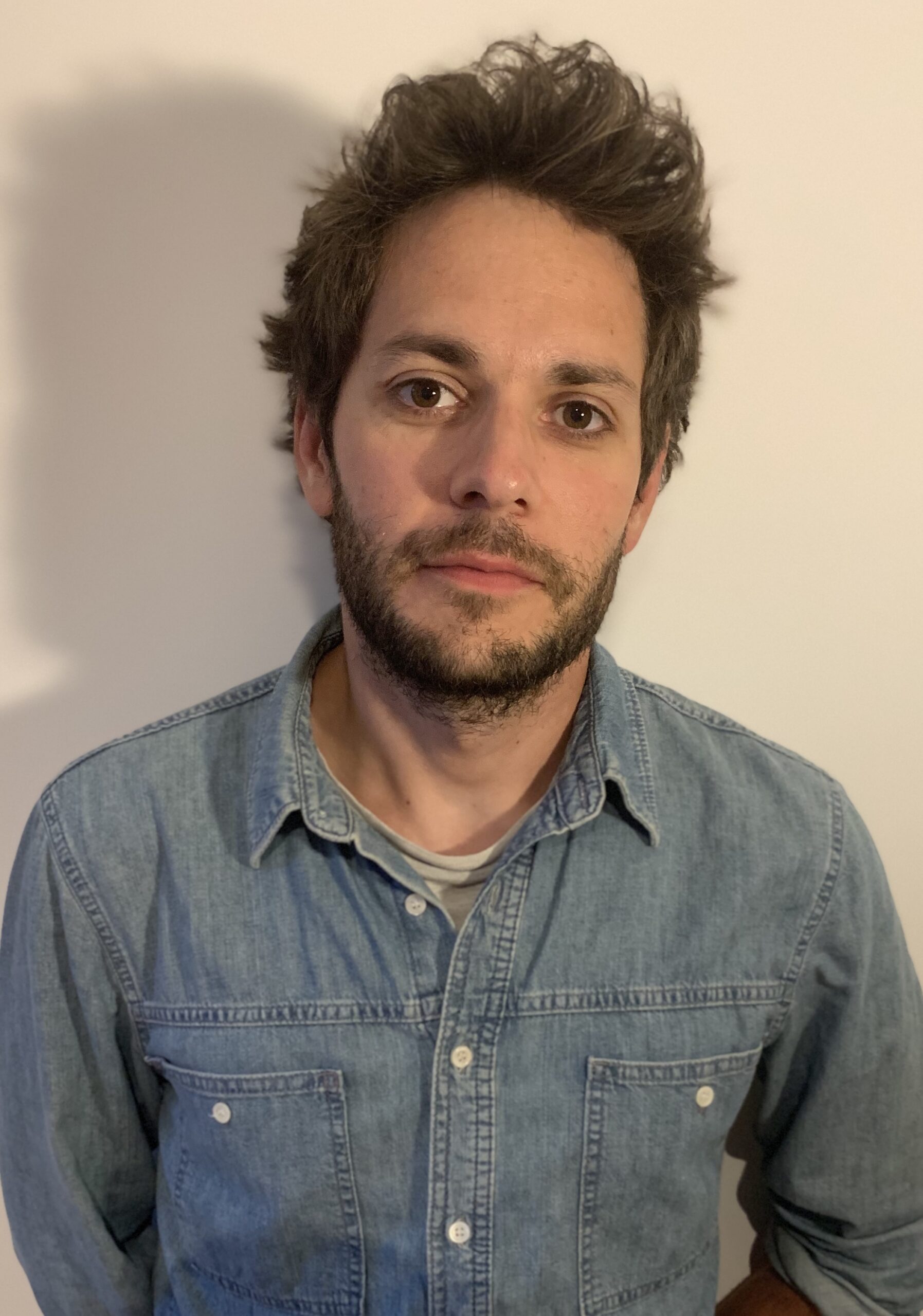
Florian Chevillon
FranceFlorian Chevillon
Dr. Florian Chevillon is a hematologist at Saint-Louis Hospital in Paris, working in the Adolescent and Young Adult Hematology Department. His clinical practice focuses on patients with lymphoma and acute leukemia, particularly those undergoing allogeneic stem cell transplantation.
He has a strong interest in the long-term complications of hematologic treatments, with a particular focus on their impact on fertility.
Dr. Chevillon is a member of the board of GRECOT (Groupe de Recherche et d’Etude sur la Conservation de l’Ovaire et du Testicule) and is actively involved in several French hematology societies. His research activities focus on measurable residual disease in ovarian cortex tissue from patients with acute leukemia, as well as the potential risks associated with ovarian tissue autografting in this setting.
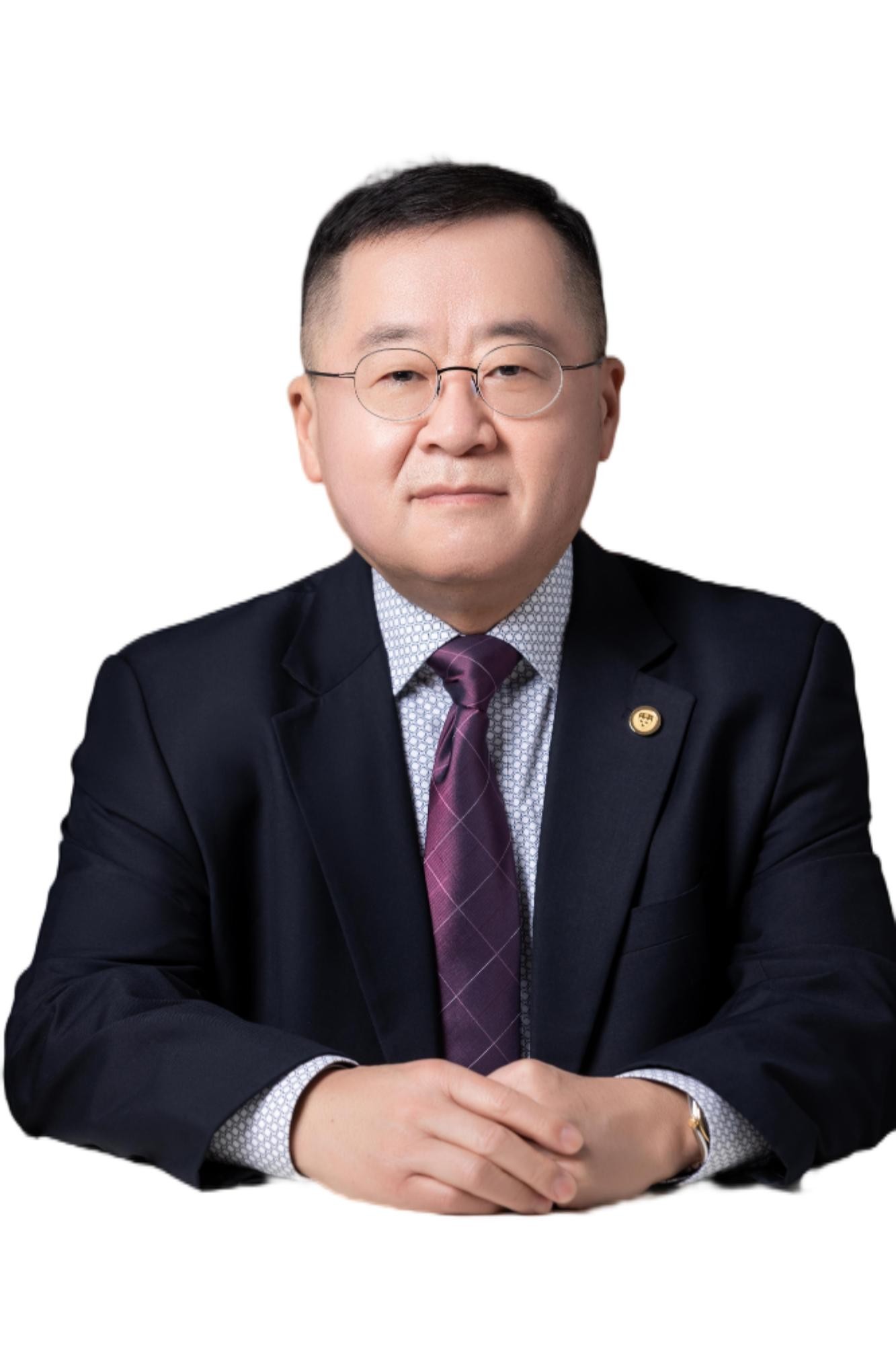
Ri-Cheng Chian
ChinaRi-Cheng Chian
Professor Ri-Cheng Chian is Chief Specialist at Center for Reproductive Medicine, Heilongjiang Provincial Hospital, P. R. of China and was the founder at Center for Reproductive Medicine, Shanghai 10th People’s Hospital of Tongji University, P. R. of China. Before joining to the
position in China, Dr. Chian was an Associate Professor with Tenure at Department of Obstetrics and Gynecology, Faculty of Medicine, McGill University, Montreal, Canada.
Dr. Chian is the key person in the development of in vitro maturation (IVM) of human immature oocytes for clinical application and for cryopreservation of human oocytes which resulted in the first pregnancies and live births at McGill University Health Center (MUHC) in
Canada.
Dr. Chian published more than 300 research papers in journals and gave presentations.
Dr. Chian edited three books and contributed to many book chapters. As an invited guest speaker, Dr. Chian delivered lectures in many different societies and countries. Dr. Chian was a former Associate Editor for the journals, Human Reproduction, Journal of Assisted Reproduction & Genetics, and an Editorial Board Member for several other journals. Dr. Chian is now an Associate Editor for the journal, Reproductive and Developmental Medicine.
Dr. Chian’s research interests are included:
1) Simplifying infertility treatment.
2) Fertility preservation.
Dr. Chian speaks English, Chinese, Korean, Japanese and has some knowledge of French.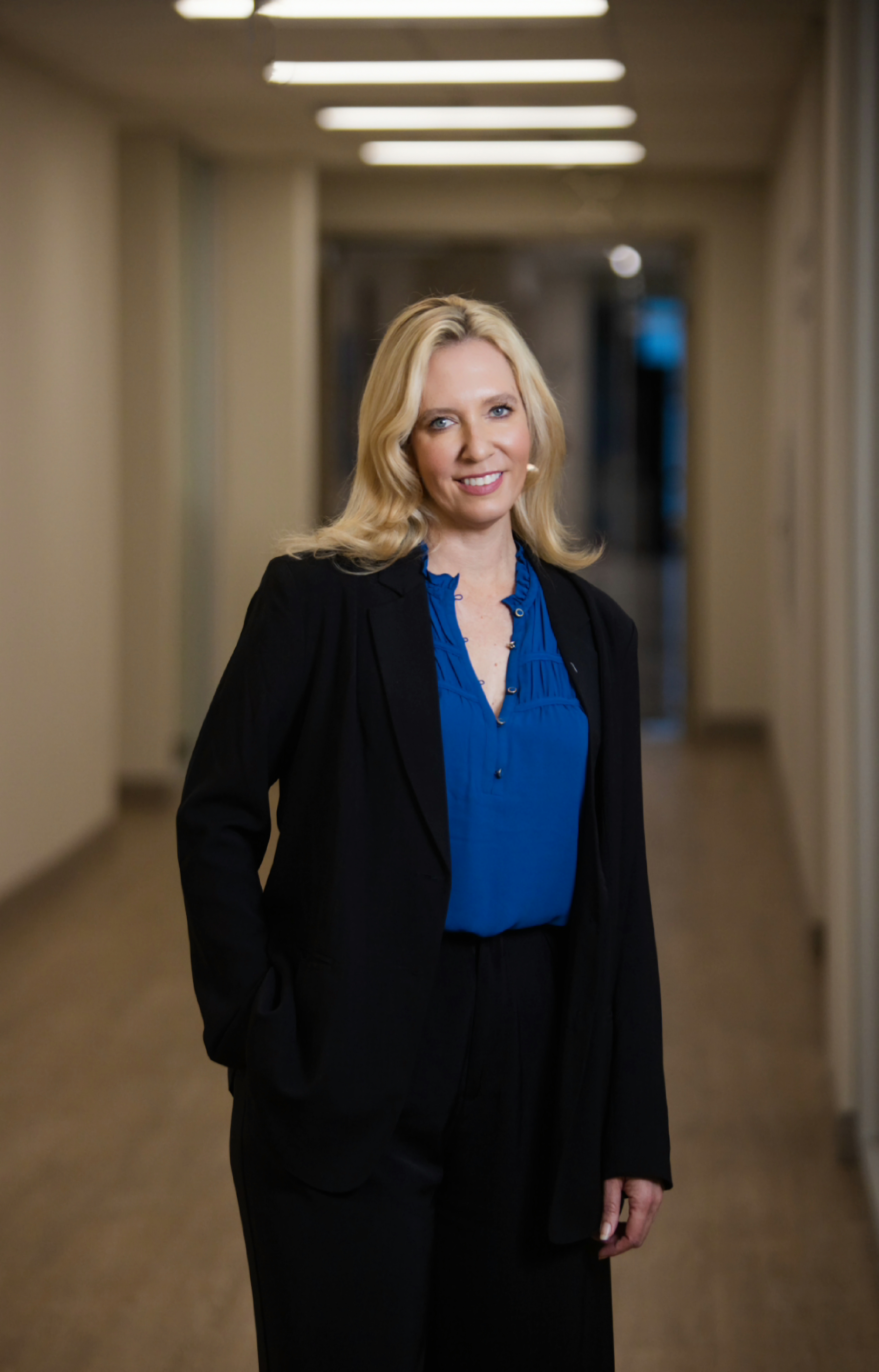
Tracy Crane
USATracy Crane
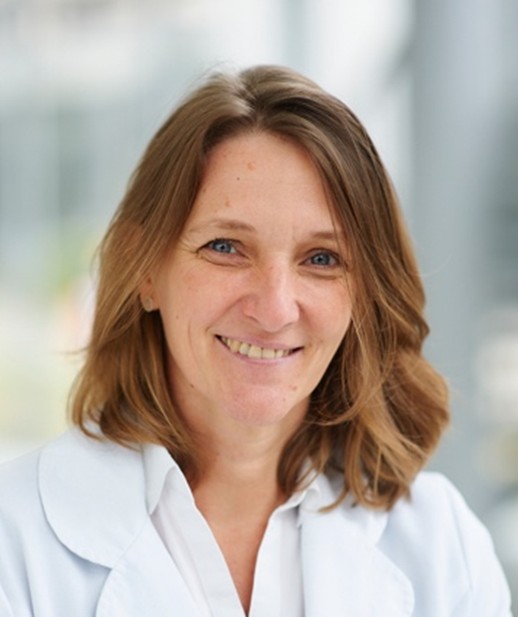
Dr. Tracy E. Crane is an internationally recognized thought leader in cancer prevention and control, specializing in digital health interventions to improve patient outcomes. She is the recipient of the inaugural Brigette Burke Endowed Chair for Women’s Cancer Research and is an Associate Professor of Medical Oncology and Public Health at the Miller School of Medicine, and Kinesiology and Sports Sciences in the School of Human Development and Education at the University of Miami. At Sylvester Comprehensive Cancer Center she Co-Leads the Cancer Control Research Program and is the Director of Lifestyle Medicine, Prevention, and Digital Health. Dr. Crane leads a multidisciplinary research team focused on innovative lifestyle interventions, leveraging AI-driven technology to deliver precision behavioral strategies. In the last 5 years, she has secured over $35 million in research funding, including multiple National Cancer Institute (NCI)-funded studies and a large PCORI-funded trial, and has authored over 115 peer-reviewed publications, including co-authoring the latest American Cancer Society guidelines on nutrition and physical activity for cancer survivors. A Registered Dietitian with a Ph.D. in Nursing Science, Dr. Crane also serves as Chair for Cancer Prevention and Control Nationally for NRG Oncology’s NCI Community Oncology Research Program. Her pioneering contributions have made her a sought-after speaker and leader in the global effort to integrate digital health and personalized lifestyle medicine into cancer prevention and care
Isabelle Demeestere
BelgiumIsabelle Demeestere
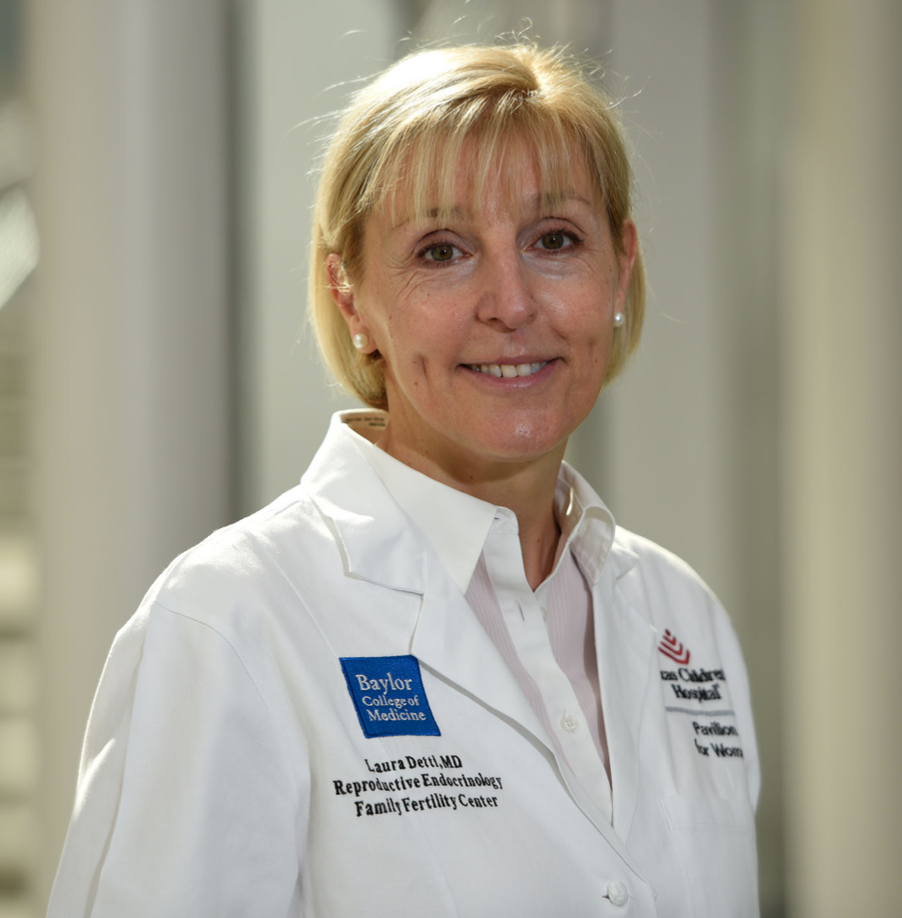
Isabelle Demeestere, is a gynaecologist at the fertility Clinic at HUB-Erasme Hospital (Brussels, Belgium), Director of the Research Laboratory on Human Reproduction at the Université Libre de Bruxelles (Belgium) and senior researcher at the FNRS. She earned a PhD in fertility preservation in 2005 and completed her scientific training at McGill University, Canada. She has established the oncofertility unit at HUB-Erasme Hospital. She currently coordinates the fertility preservation Special Interest Group for ESHRE (SIG-European Society for Human Reproduction and Embryology), and she was the past president of the BSRM (Belgian Society of Reproductive Medicine). She has contributed to several international guidelines, is author and co-author of several publications in peer-reviewed journals and book chapters and is currently associate editor for Molecular Human Reproduction Journal
Laura Detti
USALaura Detti
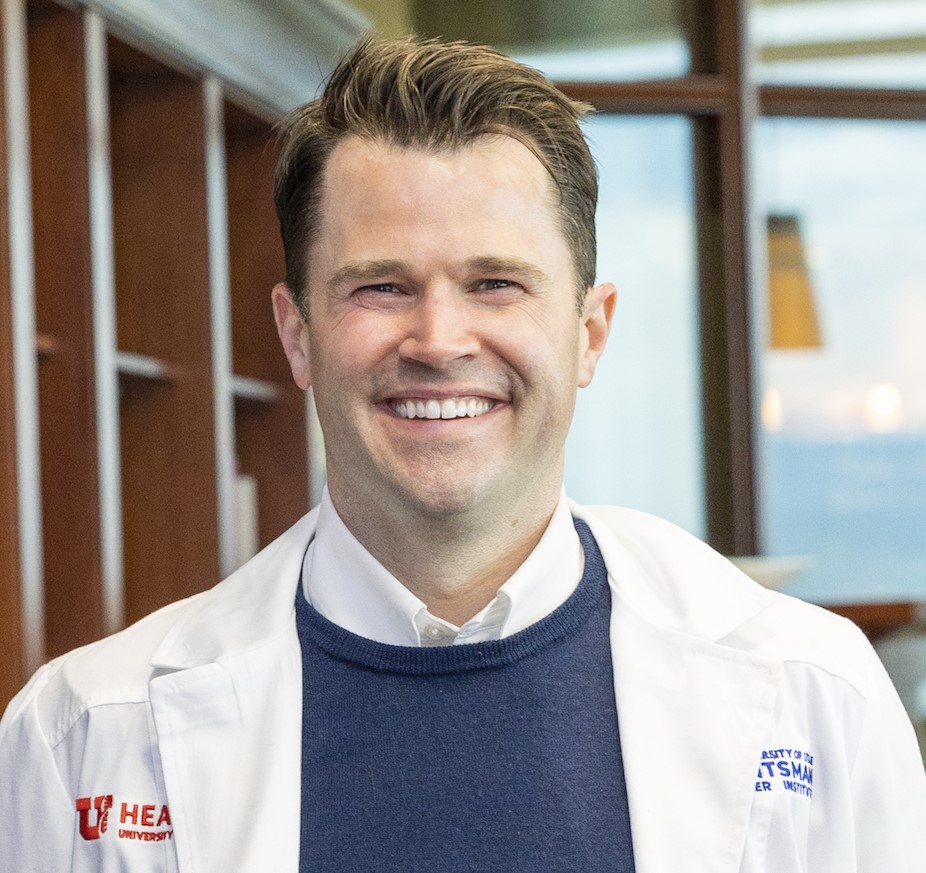
After completing my fellowship in REI at Wayne State University in Detroit, Michigan, I became a scholar of the Women’s Reproductive Health Research (WRHR) Career Development Program sponsored by the Eunice Kennedy Shriver National Institute of Child Health and Human Development (NICHHD), for 1 ½ years.
I then transferred to the University of Tennessee Health Science Center in 2008 where I was for 12 years, during which I was also a consultant for LeBonheur-Methodist Children’s Hospital and for St. Jude Children Research Hospital, where I held clinics for children and adolescents with primary ovarian insufficiency and other sequelae of cancer treatment.
Currently, I am the REI Division Director at Baylor College of Medicine in Houston since 2022. Clinically, I work full time at Baylor-Texas Children’s Hospital since 2022 where we offer ovarian tissue and to oocyte cryopreservation for fertility preservation.
I actively participate in national and international medical societies and hold various leadership positions, such as Chair of the UPAC of the AIUM (2024-2026), which accredits all ultrasound practices in the country, and Chair of the Imaging in Reproductive Medicine at ASRM (2024-2025). I am also the chair of the PROLOG Editorial Board at ACOG for 2026-2028. Additionally, I am involved in organizing committees for the American Society of Reproductive Medicine (ASRM), the American Institute of Ultrasound in Medicine (AIUM), the Society for Reproductive Sciences (SRI), and the International Society for Fertility Preservation (ISFP).
Alongside my clinical activities, I have pursued clinical, as well as translational and basic research, also involving residents, fellows and medical students. My main research interests are gynecological and early obstetric ultrasound, and fertility preservation, for which I have a patented medical therapeutic target.
Douglas Fair
USADouglas Fair
Dr. Douglas Fair is an Associate Professor of Pediatrics in the Division of Hematology/Oncology at the University of Utah. A recognized national leader in Adolescent and Young Adult (AYA) Oncology and Oncofertility, his work bridges the gap between high-level clinical trial development and the long-term quality of life for cancer survivors.
At Primary Children’s Hospital, Dr. Fair serves as the Director of the Solid Tumor and Sarcoma Program. He is also the Founder and Medical Director of the Childhood, Adolescent, and Young Adult (CAYA) Cancer Survivorship Program. His regional leadership extends to the Huntsman Cancer Institute, where he directs the AYA Program and co-directs the Oncofertility Programs for the University of Utah and Primary Children’s Hospital.
On the national stage, Dr. Fair’s expertise shapes the standards of modern oncological care. He serves on the steering committees for the Children’s Oncology Group (COG) Soft Tissue Sarcoma and Rare Tumor groups and contributes to multiple National Comprehensive Cancer Network (NCCN) Guideline Committees. He also serves as a member of the ASCO Fertility Preservation Measure Technical Expert Panel (TEP).
Beyond his clinical and research roles, Dr. Fair is a dedicated advocate for systemic change. He serves as an advisor to numerous non-profit organizations focused on improving access to and the quality of oncofertility care. His advocacy has been instrumental in addressing gaps in insurance coverage, where he has played a lead role in shifting policy at both the legislative and provider levels.
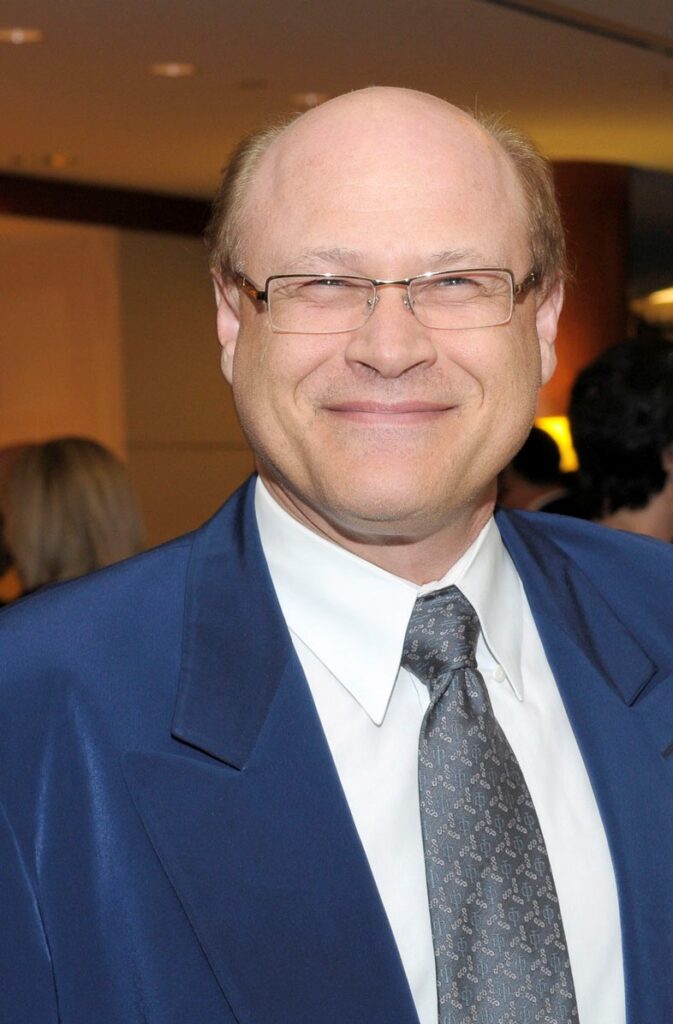
Tommaso Falcone
USATommaso Falcone
Tommaso Falcone, MD
Gynecology and Women’s Health Institute at the Cleveland Clinic, USA
Tommaso Falcone, M.D., FRCS(C), FACOG, FRCOG (ad eundem) is Professor of Obstetrics, Gynecology and Reproductive Biology, at the Cleveland Clinic Lerner College of Medicine. Case Western Reserve University.
Dr. Falcone is presently executive VP and President. International and Emerging markets- Cleveland Clinic.
Dr. Falcone received his medical degree from McGill University School of Medicine in Montreal, Quebec, Canada.
Dr. Falcone was appointed Chair of the department of obstetrics & Gynecology in 2001-2008 and subsequently Chair of the Women’s Health Institute in 2008 to 2018.
From 2018-2022 he served as Chief of Staff, Chief Academic Officer, Medical Director Cleveland Clinic London. In 2022 to 2023 he served as Interim Chief Executive Officer CCL.
Dr. Falcone has published more than 500 original manuscripts, abstracts, and book chapters. He is co-editor of 8 books including a textbook on Clinical Reproductive Medicine and Surgery (Springer 4th edition 2022).
He has served on the editorial board of several journals, including Associate Editor of Fertility & Sterility and the Editorial Board of the Obstetrics &Gynecology (Green journal). He was editor-in-chief of JMIG from 2013-2023. He is past President of the Society for Reproductive Surgeons (SRS) and Past Chair of the Endometriosis special interest group of the ASRM. He is Past President of the International Society for Fertility Preservation (ISFP-2019-2020). He has served on review committees for NICHD and MRC. Dr. Falcone has been the recipient of many awards for laparoscopic and robotic surgery at different societies. He was a senior author on the first publication on gynecologic robot surgery and a member of the team that performed the first uterus transplant in the USA.

Rebecca Flyckt
USARebecca Flyckt
Rebecca Flyckt, MD is Division Chief of Reproductive Endocrinology at University Hospitals in Cleveland, Ohio and Professor of Reproductive Biology at Case Western Reserve University. Dr. Flyckt is a nationally-known REI and reproductive surgeon with particular expertise in minimally invasive surgery. She was principal investigator in the trial that resulted in the first live-birth from a uterine transplant using a deceased donor in the U.S. in 2019. Dr. Flyckt’s research interests include reproductive surgery and transplantation, endometriosis, and fertility preservation and she has published over 100 peer-reviewed manuscripts in these areas. She has served as President of the Society of Reproductive Surgeons and Academic Director of the Society for Reproductive Endocrinology and Infertility. Dr. Flyckt is also an active member of the Practice Committee of the American Society for Reproductive Medicine. She is co-editor of surgical videos for the journal Fertility and Sterility. She initiated the ASRM Surgical Scholars Track at her institution and has a passion for training the next generation of leaders in the field of reproductive surgery.
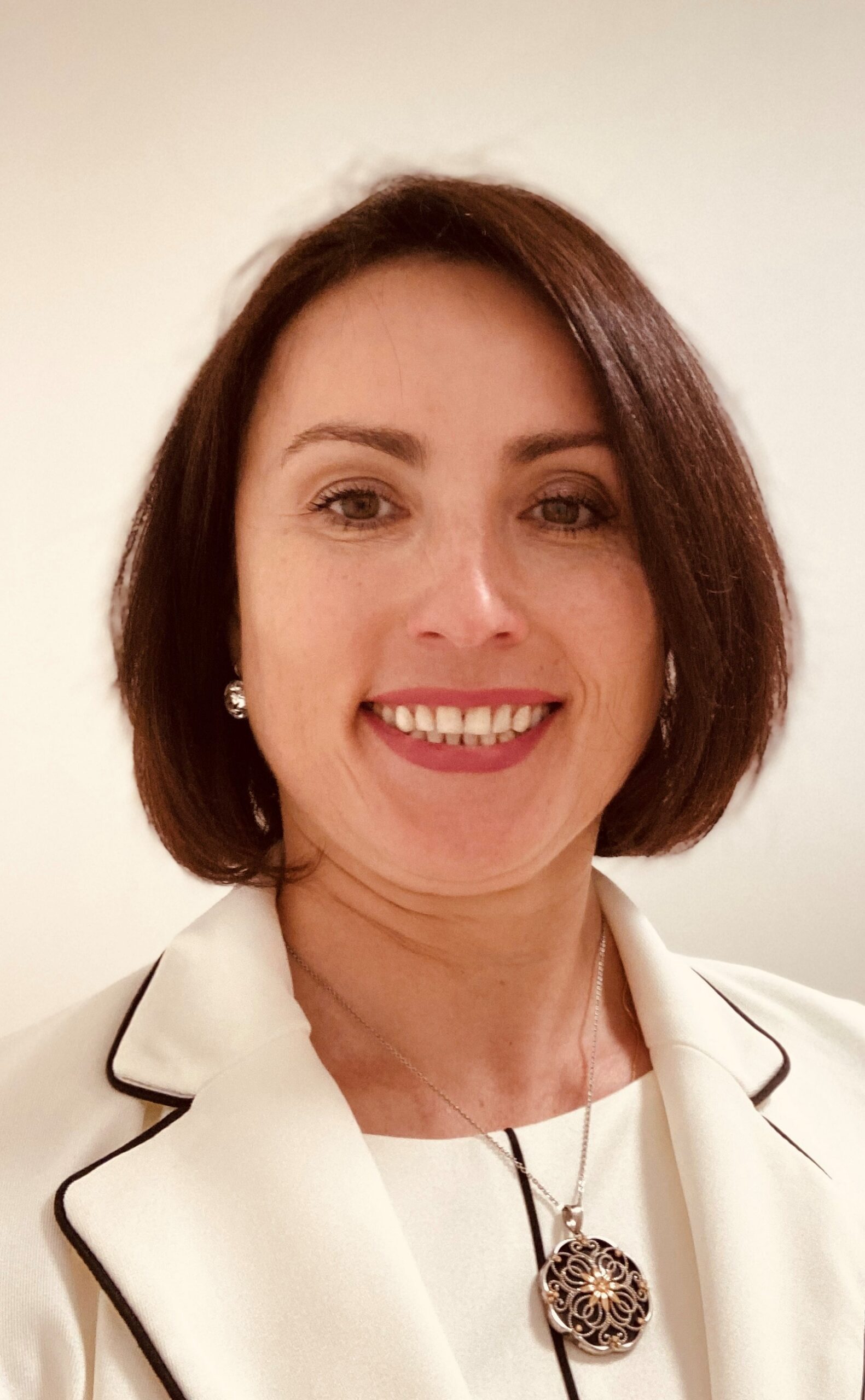
Larisa Gavrilova-Jordan
USALarisa Gavrilova-Jordan
Larisa Gavrilova-Jordan, MD is Professor of Obstetrics and Gynecology at Augusta University, Medical College of Georgia, and Director of the IVF and Fertility Preservation Programs.
A board-certified Reproductive Endocrinologist with over 20 years of experience, she specializes in fertility preservation, assisted reproductive technologies, and oncofertility. Dr. Gavrilova-Jordan established one of the Southeast’s leading fertility preservation programs and has authored numerous peer-reviewed publications, received multiple national awards, and serves as a reviewer for leading reproductive medicine journals. Her clinical and research interests focus on expanding equitable access to fertility preservation, reproductive surgery, and innovative fertility care.
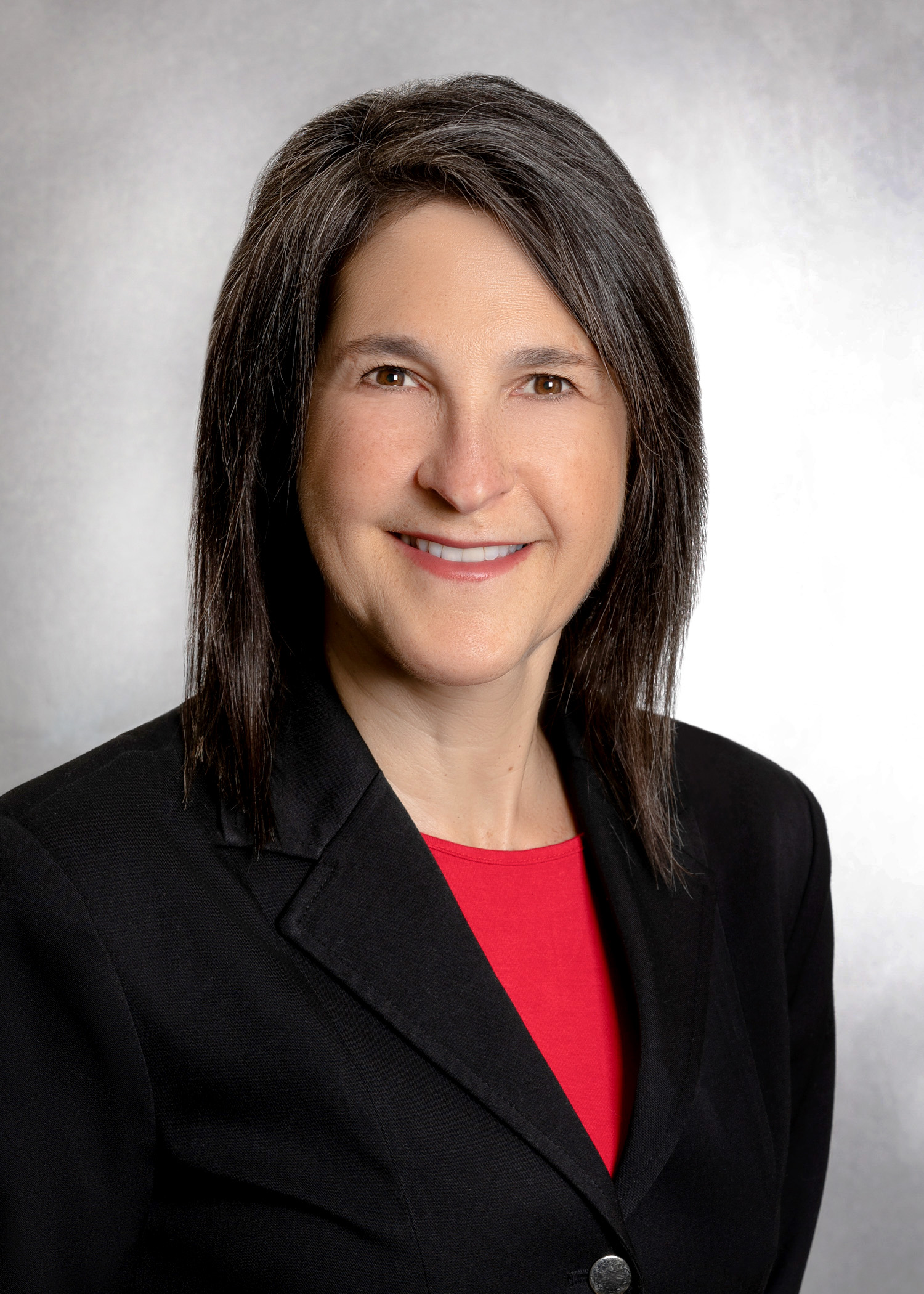
Elizabeth Ginsburg
USAElizabeth Ginsburg
Elizabeth Ginsburg is the immediate past President of the American Society for Reproductive Medicine (ASRM) and has held several positions within the ASRM in the past including as a member of the SART registry committee, ASRM Ethics Committee, and President of the Society for Assisted Reproductive Technologies (SART). She was a resident in Ob Gyn and fellow in Reproductive Endocrinology and Infertility at Brigham & Women’s Hospital. She joined the faculty at Brigham & Women’s Hospital, Harvard Medical school, initially spending 80% of her time on research, supported in part by an NIH training grant which funded work on the impact of alcohol ingestion on estrogen metabolism in postmenopausal women using HRT. She was referred many patients with premature ovarian insufficiency after having undergone chemotherapy, joined the staff of Dana Farber Cancer Institute, and began a fertility preservation program at BWH. Over time her clinical practice grew, and her research transitioned focus on IVF outcomes in subpopulations of patients, including those with cancer and obesity, and continued research in the pharmacokinetics of medications used in IVF treatment. She became the medical director of the BWH IVF program, and later the REI fellowship program director, a position she still holds. She is an editorial editor of Fertility and Sterility, a position she moved to after being a reviewer, editorial board member, and Associate editor. She is a Professor of Obstetrics, Gynecology and Reproductive Biology at Harvard Medical School, and enjoys mentoring students, residents and fellows in research.
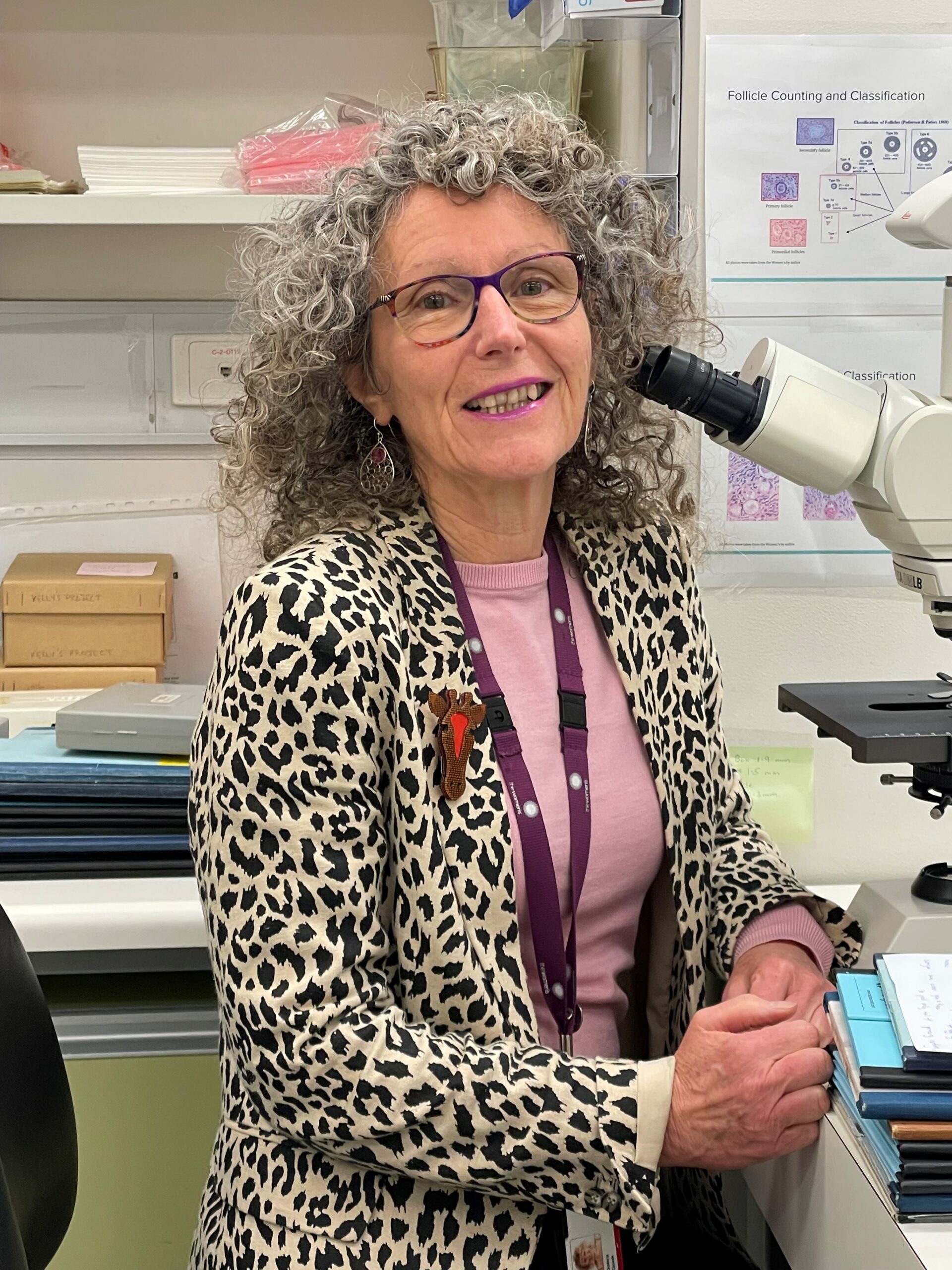
Debra Gook
AustraliaDebra Gook
Dr Debra Gook is Senior Research Fellow in Reproductive Services at the Royal Women’s Hospital, and holds an honorary position within the Department of Obstetrics and Gynaecology, University of Melbourne, Australia. For over three decades, she has been at the forefront of research into the cryopreservation of the human female gamete. She has presented and published widely on freezing of both mature human oocytes and human ovarian tissue and continues to play a key role in the development of this technology for clinical application. Her research has focused on fertility preservation, with a special interest in follicle development, heterotopic grafting, malignant contamination, prepubertal testicular tissue freezing, and in vitro maturation.

Ellen Goossens
BelgiumEllen Goossens
I graduated in Biomedical Sciences at the Vrije Universiteit Brussel (VUB) in 2000. I was trained in male fertility preservation under supervision of Prof. Dr. Herman Tournaye and Prof. Dr. Van Steirteghem at the laboratory Biology of the Testis of the Vrije Universiteit Brussel, where I obtained my doctoral degree in 2006. I undertook postdoctoral training in the same lab and became lab coordinator in 2012. My research focuses on male fertility. The aim is to develop strategies to prevent male infertility after germ cell loss. Currently, three major sub-lines are being studied: (1) fertility preservation in boys who face gonadotoxic treatment, (2) in-vitro spermatogenesis and (3) Klinefelter-related infertility. We developed innovative methods for cryopreservation, transplantation and in-vitro differentiation of spermatogonial stem cells and testicular tissue in animal models, and translated these to the human situation. Testicular tissue banking has been implemented in the clinic in 2002 and testicular tissue transplantation in 2024.
In 2011, I was awarded the prize Dr Luc Broeckaert and Mrs Annie Depreeuw of the Royal Belgian Academy for Medicine for the work “Prevention of infertility after chemo- or radiotherapy”. Since 2016, I am heading the research group Biology of the Testis. I have published more than 120 papers in (inter)national journals and contributed to 8 book chapters.
I am affiliated to the faculty of Medicine and Pharmacy of VUB as tenured full-time professor. Next to teaching courses in the domain of reproductive medicine, I was exchange coordinator for several years. Since 2024, I am vice-president of the educational board Biomedical Sciences.
I was involved in the steering committee of the ESHRE Special Interest Group Andrology for ten years and co-founded the Orchid-Net consortium.
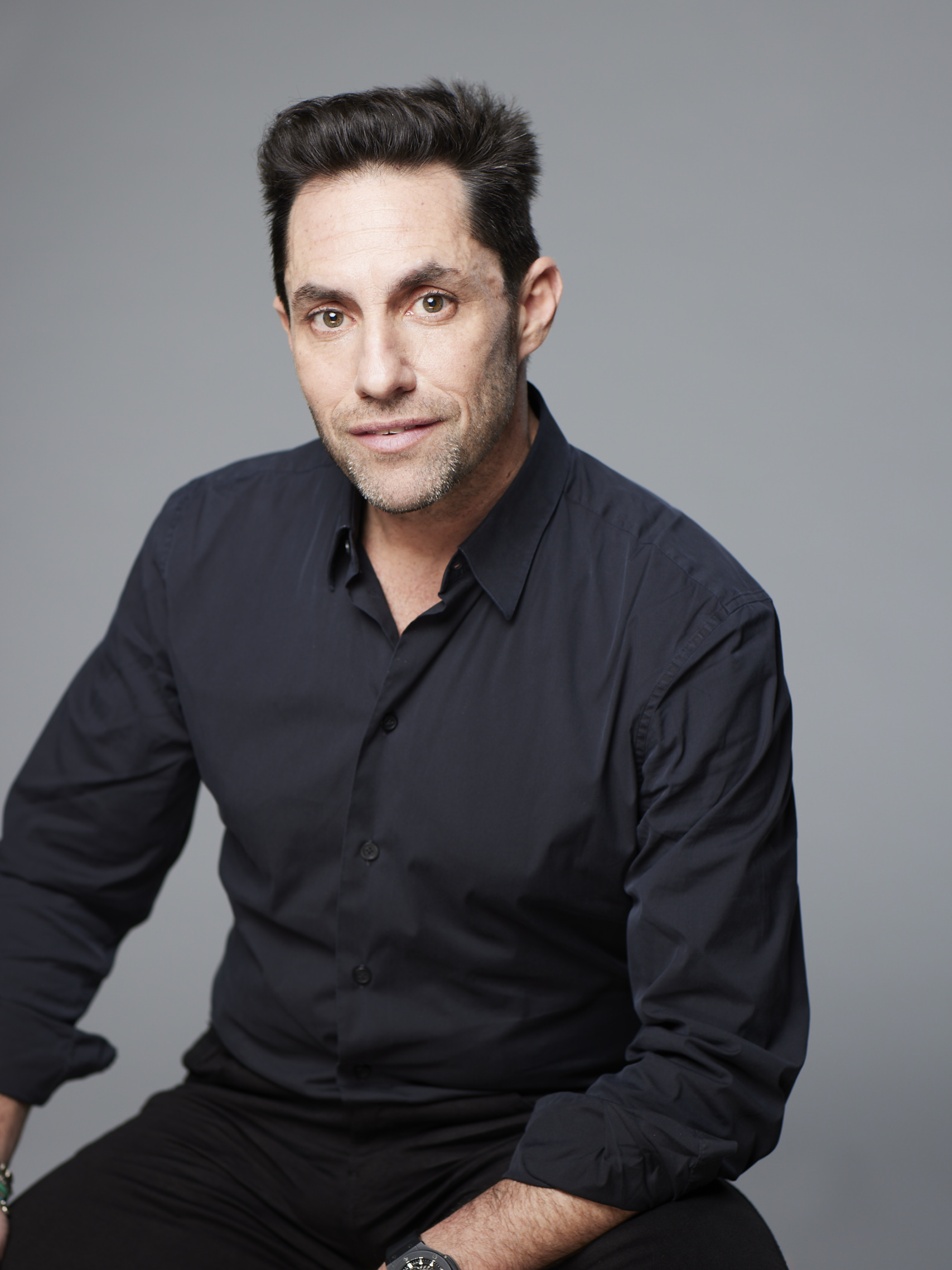
Michael Grynberg
FranceMichael Grynberg
Michaël Grynberg is an internationally known, board-certified, specialist in Obstetrics & Gynecology, Reproductive Endocrinology and Infertility, Andrology. He is Professor and Director of the Department of Reproductive Medicine & Fertility Preservation in Antoine Béclère University hospital. He has been founding member of the French Society of Fertility Preservation and is currently the president elect. He is also Co-ordinator of the ESHRE SIG Fertility Preservation and the Head of the Fertility Section of the French College of Obstetrician Gynecologists. He has authored 4 books, 398 scientific papers (72 book chapters, 196 peer-reviewed publications and 169 abstracts). Among his many contributions to the field: a) He pioneered the technique of in vitro maturation of oocytes (IVM) for women with ovarian resistance to FSH; b) Reported the role of ZO-1 in trophoblastic cells differentiation in human placenta; c) Described the Follicular Output RaTe (FORT) as a mean to assess follicular responsiveness to exogenous FSH; d) Reported differential regulation of ovarian anti-Mullerian hormone (AMH) by Estradiol through α- and β- Estrogen receptors; e) Investigated the role of AMH for preventing primordial ovarian follicle loss and fertility alteration following cyclophosphamide administration. His main research interests include: Improving the efficiency of ART, ovarian aging, fertility preservation strategies for cancer and non-medical conditions.
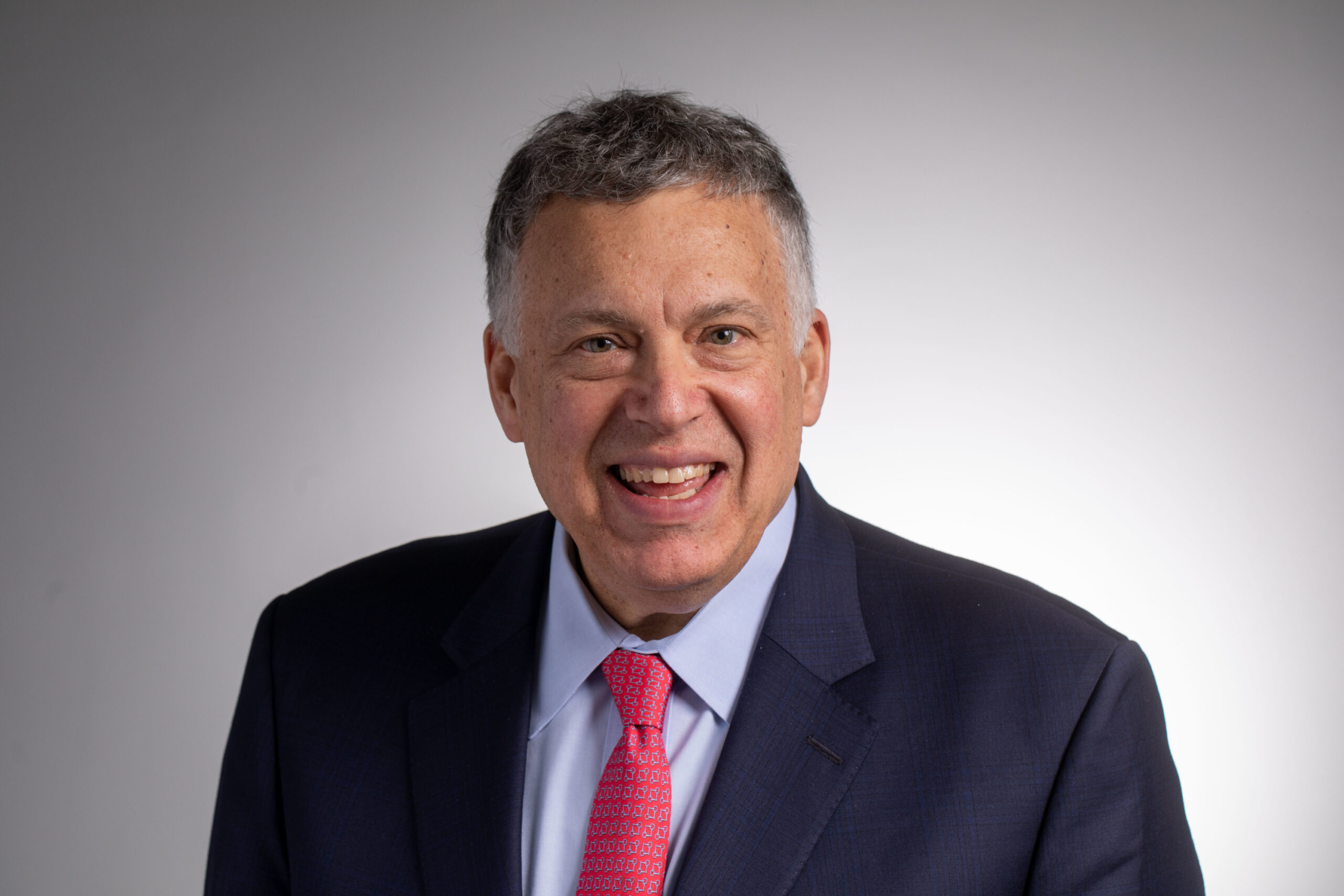
Roy Herbst
USARoy Herbst
Dr. Roy Herbst is an internationally recognized leader in the development of targeted and immune-based therapies for lung cancer. His pioneering research on EGFR-targeted treatments and immunotherapy transformed precision oncology, leading to the approval of multiple groundbreaking therapies and establishing new standards of care. He has advanced personalized medicine through innovative clinical trial designs, including the BATTLE and Lung-MAP programs, and his work on biomarkers of treatment response has improved outcomes for patients worldwide. After earning degrees from Yale, Cornell, Rockefeller University, and Harvard, he held leadership positions at The University of Texas MD Anderson Cancer Center and Yale Cancer Center before joining Dartmouth. He has authored more than 500 scientific publications, secured major NIH and industry-supported research grants, and remains one of the world’s most influential investigators in thoracic oncology.
In addition to his research accomplishments, Dr. Herbst is a distinguished clinician, educator, and national leader in cancer policy. He has served in leadership roles with organizations including ASCO, AACR, IASLC, and the National Academy of Medicine, while advocating for tobacco control, innovative clinical trials, and public-private partnerships in cancer research. His many honors include the IASLC Paul A. Bunn, Jr. Scientific Award, the AACR Distinguished Public Service Award, the Giants of Cancer Care® Award, election to the Association of American Physicians and the Connecticut Academy of Science and Engineering. Through his mentorship, educational leadership, and commitment to compassionate patient care, Dr. Herbst has helped shape the next generation of physician-scientists while leaving a lasting impact on cancer research and treatment.

Tuong Ho
VietnamTuong Ho
Dr. Tuong M Ho has been working in the field of assisted reproductive technology since 1997, when he joined the first IVF team in Vietnam. He has both laboratory and clinical experience on assisted reproductive technology. Dr Ho is the founder and senior advisor of IVFMD group which operates 11 IVF centers in Vietnam. He is senior consultant of IVFMD, My Duc Hospital, Ho Chi Minh City, Vietnam.
Dr. Ho is Director of HOPE Research Center, at My Duc Hospital, which is a leading research institution in clinical reproductive medicine in Asia. He and his group have had more than 60 publications in high impact journals including NEJM, Lancet, PLOS Medicine, Human Reproduction, Fertility and Sterility, AJOG… His recent interests are frozen embryo transfer, in-vitro maturation of oocyte and quality management in IVF.
Dr Ho was board member of the Asia Pacific Initiative on Reproduction (ASPIRE) from 2012-2021, and Vice President of ASPIRE (2018-2021). He serves as Secretary General for Ho Chi Minh City Society for Reproductive Medicine (HOSREM). He has been invited speakers in more than 50 international and regional congreses, symposiums.
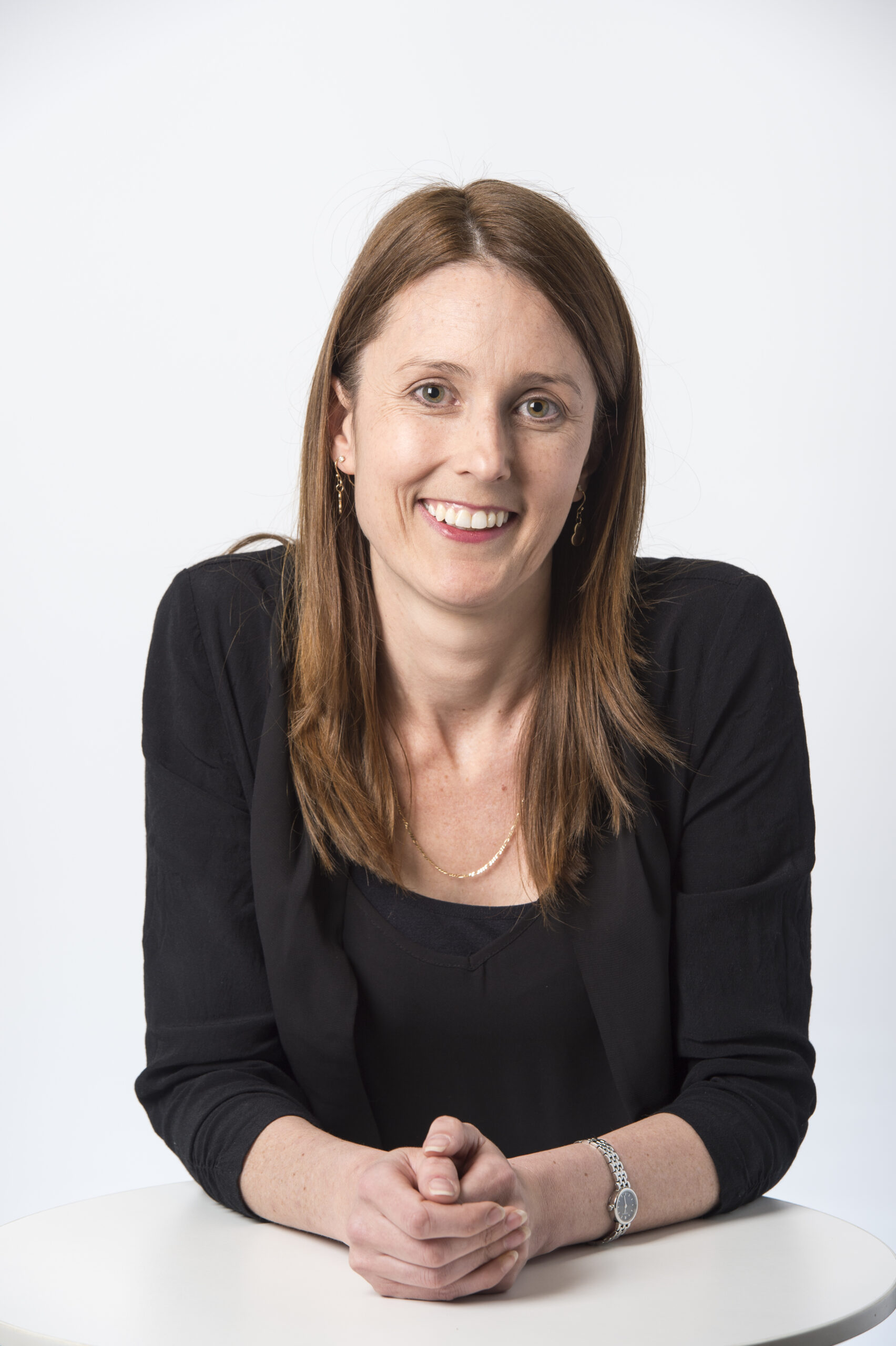
Karla Hutt
AustraliaKarla Hutt
Professor Karla Hutt is an NHMRC Investigator, Deputy Head (Research) of the Department of Anatomy and Developmental Biology, and co-Head of the Development and Stem Cells Discovery Program at Monash University. She leads the Women’s Health and Ovarian Biology Laboratory, a multidisciplinary team pioneering a community-informed discovery and translational research pipeline that prioritizes women’s voices. Her research explores how diseases, medications, lifestyle, and environmental factors affect ovarian function—and how the ovary, in turn, influences every aspect of women’s physical and mental well-being. She aims to translate these insights into innovative strategies to protect and optimize ovarian function, preserve fertility, and promote lifelong health. Her research is supported by grants and fellowships from the ARC, NHMRC, NBCF, and CCV.
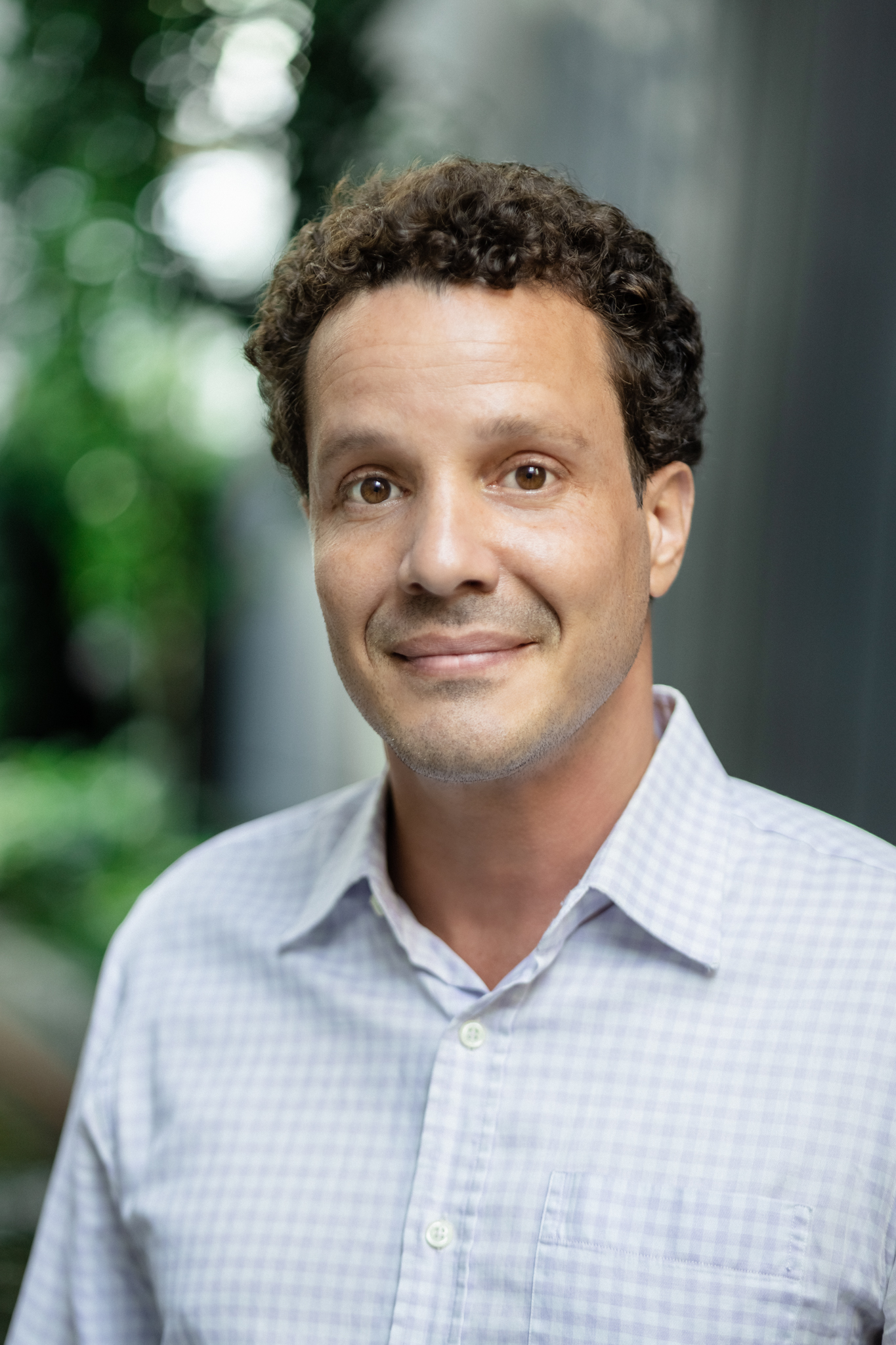
Daylon James
USADaylon James
Daylon James is Associate Professor and Clinical Lab Director in the Center for Reproductive Medicine at Weill Cornell Medicine. His lab is focused on preserving and augmenting ovarian function by leveraging novel diagnostic and cell-based tools to deconstruct and model the development and differentiation of ovarian follicles.
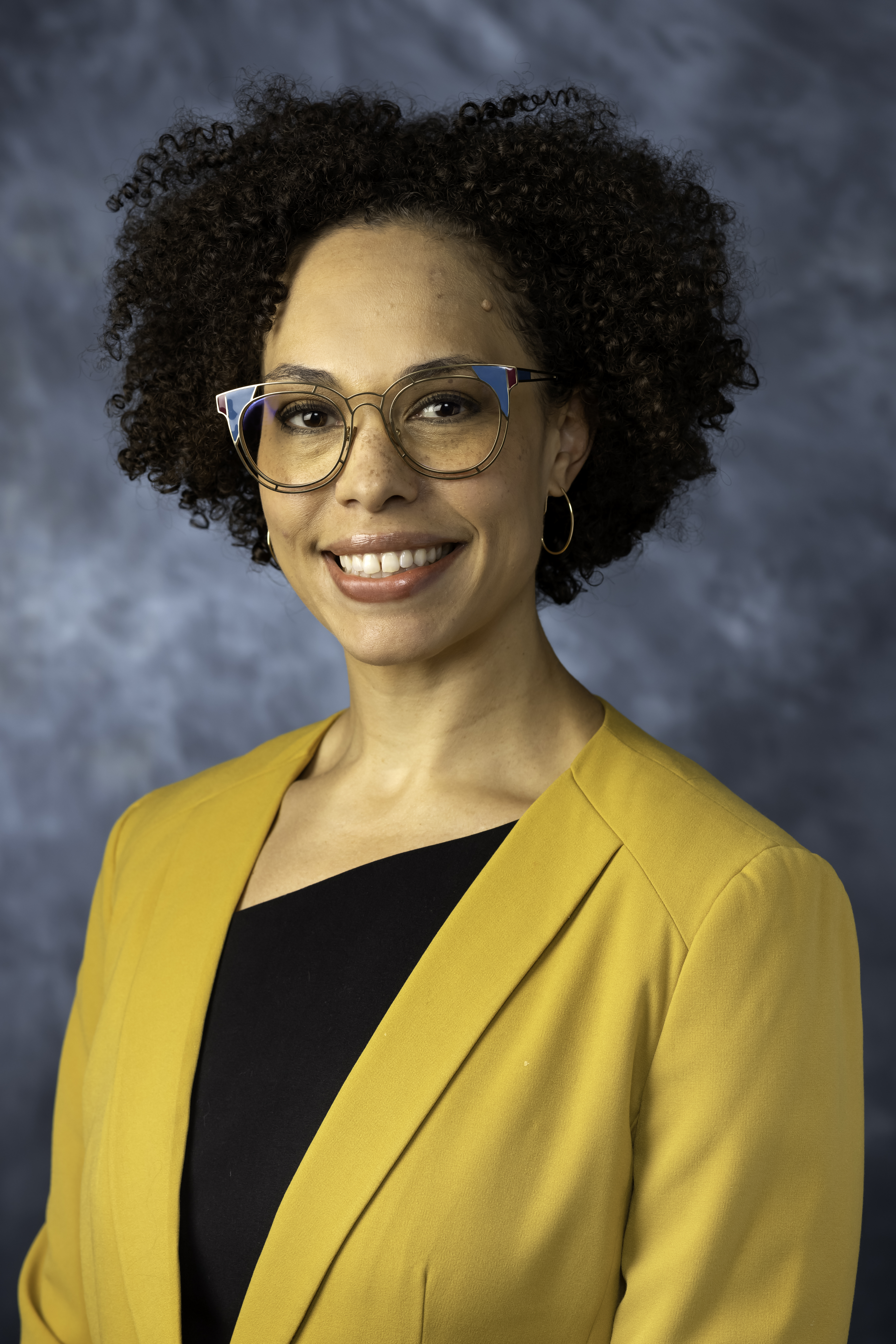
Emilie Johnson
USAEmilie Johnson
Dr. Emilie K. Johnson is a Pediatric Urologist and Health Services and Outcomes Researcher at Ann & Robert H. Lurie Children’s Hospital of Chicago (Lurie Children’s) and an Associate Professor of Urology at Northwestern University Feinberg School of Medicine.
Dr. Johnson’s clinical work focuses on general pediatric urology, including penile and testicular abnormalities, urinary tract infections, and ureteral anomalies including obstruction and reflux. She also has a focus on the multidisciplinary care of patients with differences of sex development/variations of sex characteristics (DSD/VSC). Dr. Johnson’s academic work is most focused on DSD/VSC, circumcision, fertility preservation and urinary tract infections. Dr. Johnson has published extensively in these areas, as well as many other subtopics related to pediatric urology. She is the Surgical Co-director of the SPROUT (Supportive Program for a Range Of Urogenital Traits) clinic at Lurie Children’s and is part of the hospital’s Fertility & Hormone Preservation & Restoration Program. Dr. Johnson is an active member of multiple medical societies, including the American Urological Association, Societies for Pediatric Urology and American Academy of Pediatrics. On a personal note, Dr. Johnson is a native of Ann Arbor, Michigan but now says she is “from Chicago” when asked. Outside of work, Dr. Johnson enjoys spending time with her family (including a delightfully spicy third grader) riding a bike that goes nowhere, and trying new foods.
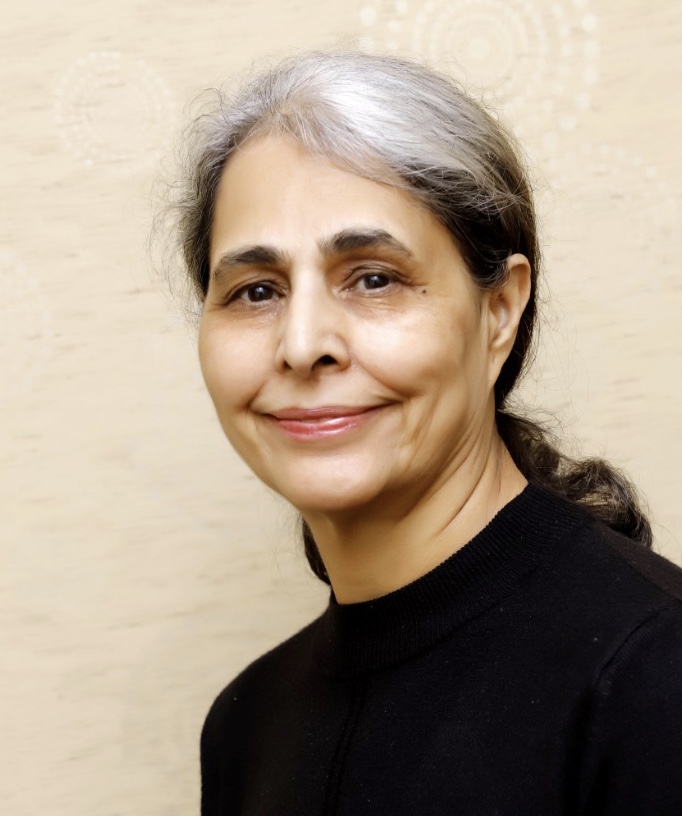
Nalini Kaul Mahajan
IndiaNalini Kaul Mahajan
Dr. Nalini Kaul Mahajan completed her graduation and post-graduation in Obstetrics and Gynaecology from the University of Delhi, India, where she was awarded the prestigious President’s Gold Medal. She subsequently pursued a Master’s degree in Assisted Reproductive Technology (ART) from the University of Nottingham, UK, becoming the first Indian to be awarded this qualification.
Her deep interest in oncofertility led to the establishment of the Fertility Preservation Society of India (FPSI) in 2014. Since then, she has played a pivotal role in promoting both public and professional awareness of fertility preservation across the country. She is the Founder President of FPSI and the Convenor of the FPSI Certification Course in Fertility Preservation.
Dr. Mahajan is the Immediate Past President of the Asian Society for Fertility Preservation and currently serves as a Board Member of the International Society for Fertility Preservation. She has also served as President of the Indian Fertility Society and is presently a member of the SIG – Fertility Preservation (ASPIRE).
Her academic contributions include numerous publications in peer-reviewed journals on endometrial receptivity, fertility preservation, regenerative therapies in infertility, and genital tuberculosis.
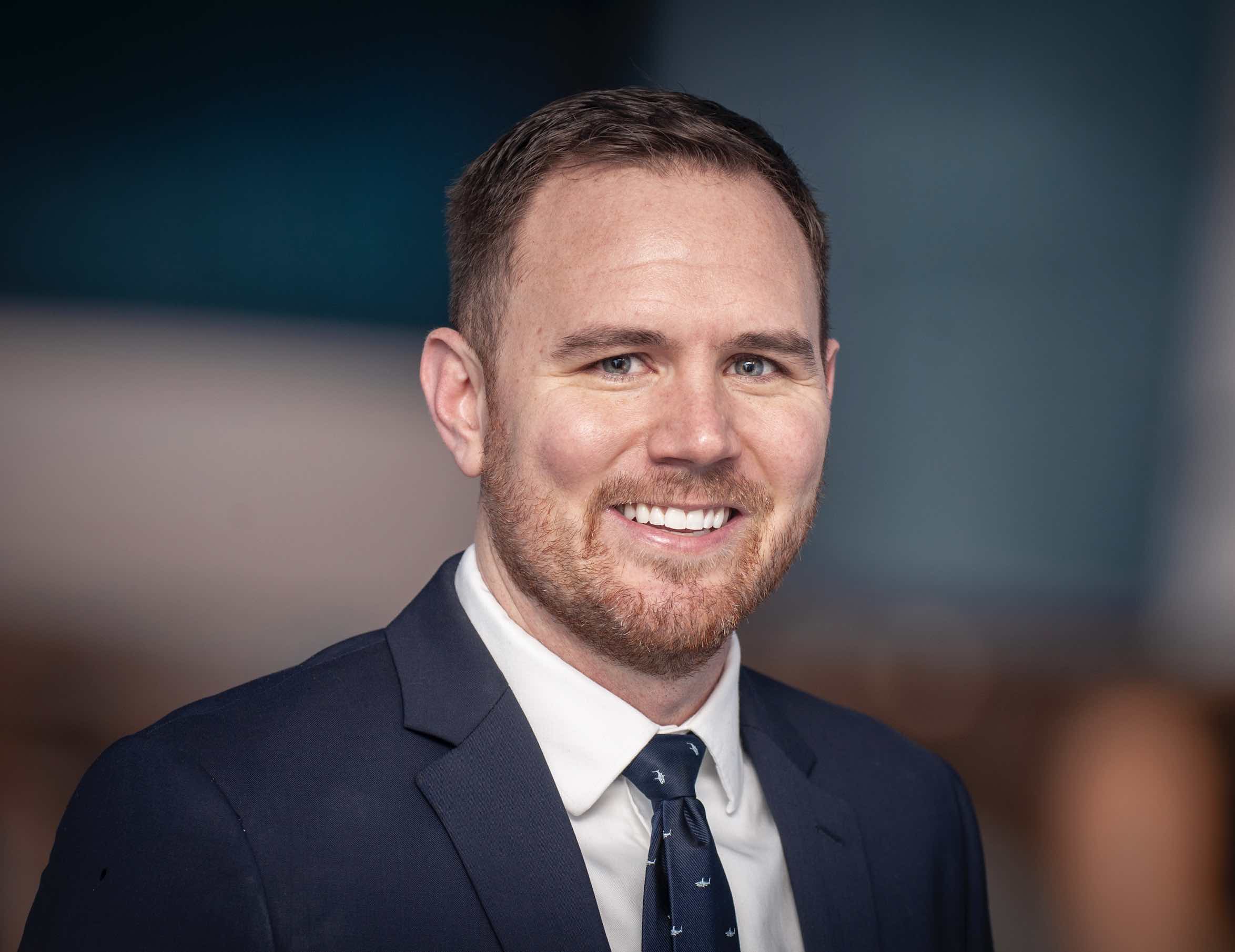
Tyler Ketterl
USATyler Ketterl
Dr. Tyler Ketterl is an Associate Professor in the Department of Pediatrics and Internal Medicine at the University of Washington and sits within the Division of Pediatric Hematology & Oncology at the Seattle Children’s Hospital, University of Washington, and Fred Hutchinson Cancer Center. He holds 3 board certifications in internal medicine, pediatrics, and pediatric hematology/oncology. Dr. Ketterl obtained a Master of Science degree in epidemiology with a focus on clinical research methods at the University of Washington. Dr. Ketterl serves as the Medical Director of the Adolescent Young Adult Oncology Program as well as the Medical Director of the Fertility Care and Preservation Program. Dr. Ketterl is a member of the Children’s Oncology Group Germ Cell Tumor Committee and is the stratum leader of the standard risk arm of the study. Dr. Ketterl’s work currently focuses on the long-term impact of cancer therapy on pediatric, adolescent and young adult survivors of cancer including fertility, body composition, and metabolic syndrome. Dr. Ketterl is also Co-Chairing the efforts to create a national oncofertility database called Reproductive HOPE (Health Outcomes and Preservation Evaluation) in partnership with the Pediatric Cancer Data Commons and The Oncofertility Consortium.
Miran Kim
South KoreaMiran Kim
Prof. Miran KIM, MD, PhD Professor of the Department of Obstetrics & Gynecology at Ajou University School of Medicine, South Korea, currently serves as the President of the Korean Society for Fertility Preservation (KSFP) and Vice President of the Korean Society for Reproductive Medicine (KSRM). She is also an Executive Director of the Korean Society of Menopause and the Director of the Clinical Regulatory Science Center at Ajou University Medical Center. With a distinguished academic career, her research focuses on fertility preservation, reproductive endocrinology, and the application of artificial intelligence in reproductive medicine. She has led numerous national R&D projects and clinical trials, contributing significantly to evidence-based reproductive care.
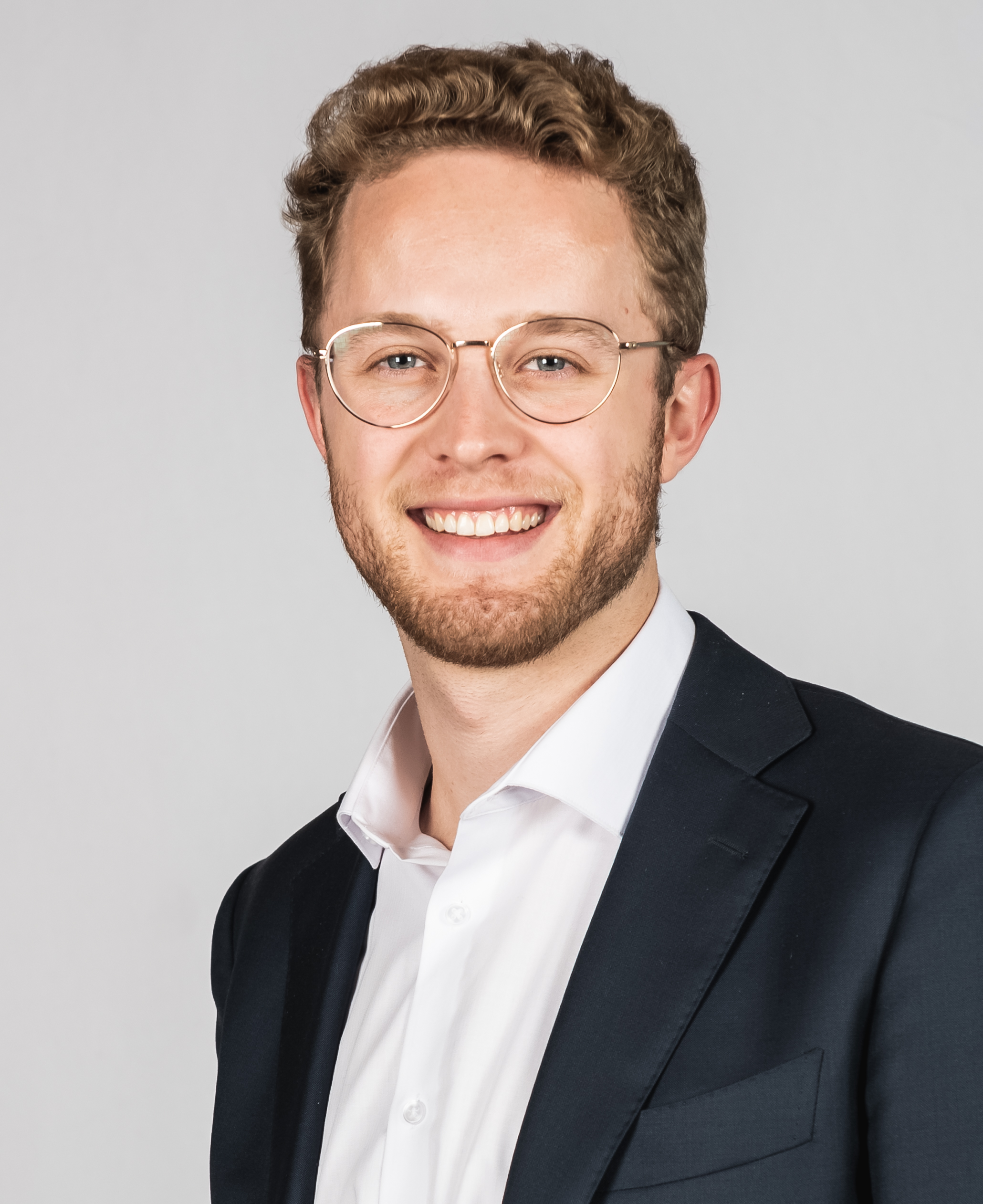
Christian Kramme
USAChristian Kramme
Christian Kramme is the Chief Scientific Officer of Gameto Inc., a biotechnology company developing fertility and endocrine therapeutics for women’s health. Christian received his PhD in biological and biomedical sciences from Harvard Medical School, completing his doctoral work in the laboratory of Professor George Church. Christian received his bachelors of science in microbiology, immunology, and molecular genetics from UCLA. Christian’s doctoral work pioneered the development of human induced pluripotent stem cell engineering and directed differentiation for key reproductive and support cell types of the ovary. At Gameto, Christian invented and further developed the in vitro maturation (IVM) product Fertilo, which is currently in Phase III clinical trials in the United States. Beyond fertility, Christian and his team at Gameto likewise have invented a cell-based hormone replacement therapy for menopause and new vaginal ring deliveries for women’s health therapeutics which are in preclinical development. Christian is currently the Chair Elect of the ASRM special interest group for IVM and holds numerous publications and patents related to reproductive and endocrine therapeutics.
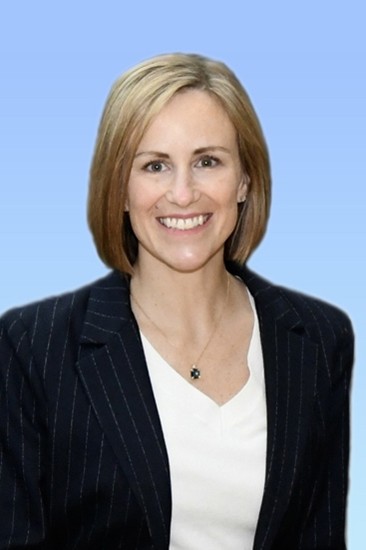
Monica Laronda
USAMonica Laronda
Monica M. Laronda is the George M. Eisenberg Chair of Developmental Biology at the Stanley Manne Children’s Research Institute at the Ann & Robert H. Lurie Children’s Hospital of Chicago and Associate Professor in the Department of Pediatrics and Department of Obstetrics and Gynecology at Northwestern University. She has been awarded several National Institutes of Health grants to study foundational biology and to engineer regenerative techniques for both ovaries and testes. Dr. Laronda is also the Director of Gonadal Tissue Processing where she provides fertility preservation services for Lurie Children’s patients and patients across the country.
About the Basic and Preclinical Research Lab
The Laronda Lab mission is driven by the hope of patients and families that see themselves or their children as thriving future adults and they aim to provide these children with the right to an open future. The Laronda Lab seeks to understand mechanisms of human sex development and to translate this knowledge into solutions that support fertility and hormone diagnostic and restorative technologies. The Laronda Lab scientific focus is in gonad biology and sex hormone endocrinology. They utilize big data and spatial information of biological and physical cues to engineer functional cells and microenvironments to test and regenerate gametogenesis and hormone function.

Jung Ryeol Lee
KoreaJung Ryeol Lee
Jung Ryeol Lee, M.D, Ph.D.
Chairman
Department of Obstetrics and Gynecology
Seoul National University Bundang Hospital
Professor
Department of Obstetrics and Gynecology
Department of Translational Medicine
Seoul National University College of Medicine
Principal Investigator
Fertility Preservation and Enhancement Research Laboratory
Professor Jung Ryeol Lee, M.D., Ph.D. is Chair of the Department of Obstetrics and Gynecology at Seoul National University Bundang Hospital and Professor at Seoul National University College of Medicine. He also directs the Fertility Preservation and Enhancement Laboratory (FPELS), where his team advances cutting-edge research in ovarian tissue cryopreservation, artificial ovary platforms, and regenerative therapies for ovarian and endometrial dysfunction. Professor Lee is internationally recognized for his expertise in fertility preservation, reproductive endocrinology, and demographic policy, and he is a distinguished surgeon with expertise in single-port laparoscopy and robotic gynecologic surgery. Beyond his academic achievements, he is actively engaged in global reproductive medicine, serving on the Executive Boards of ASPIRE and ISFP, and as Vice President of the Asian Society for Fertility Preservation, fostering international collaboration and innovation in reproductive health.
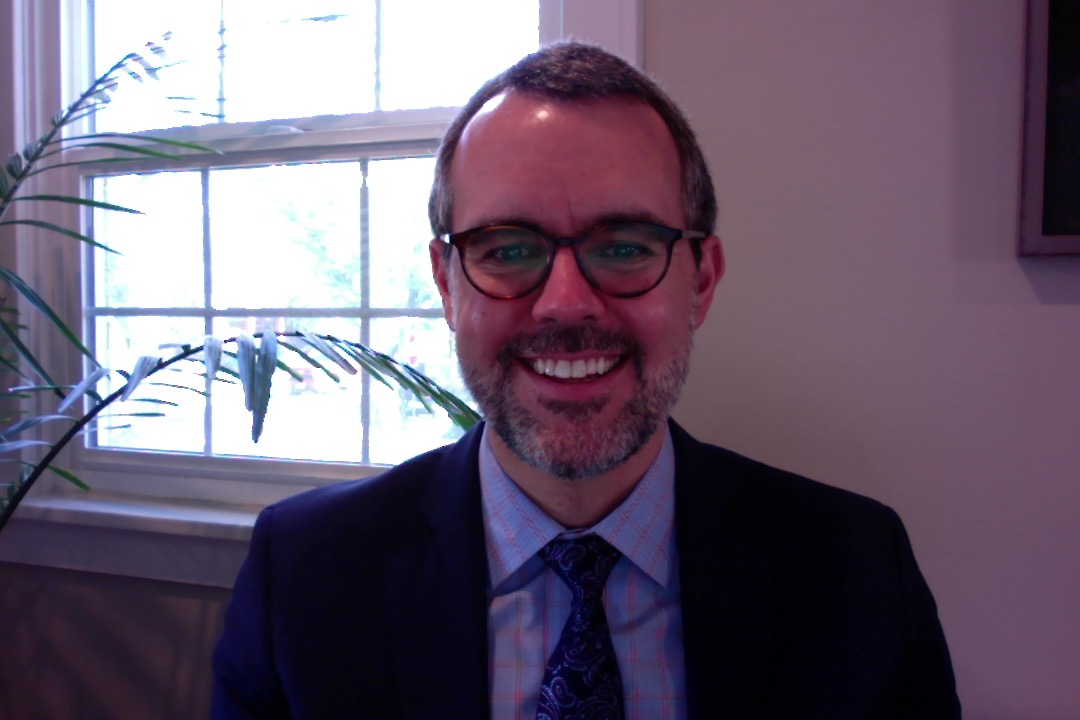
Joseph Letourneau
USAJoseph Letourneau
Dr. Letourneau is an Assistant Professor of Reproductive Endocrinology and Infertility at the University of Utah, where he serves as co-director of the University of Utah’s Oncofertility Program. The University of Utah’s oncofertility clinic serves as a referral center for the United States’ Intermountain West Region, including cities and rural areas in Utah, Nevada, Idaho, Montana, Wyoming, Western Colorado and Northern Arizona. Dr. Letourneau is an active clinician-researcher. He is a current ASRM/NICHD CREST Scholar and a recent recipient of an ASRM Young Investigator Grant. Dr. Letourneau has published over 70 research articles and abstracts in the field of oncofertility. He has also worked to help to ensure more universal insurance coverage for oncofertility services, including recently helping to make Utah the second state to cover oncofertility services under the state’s Medicaid plan.
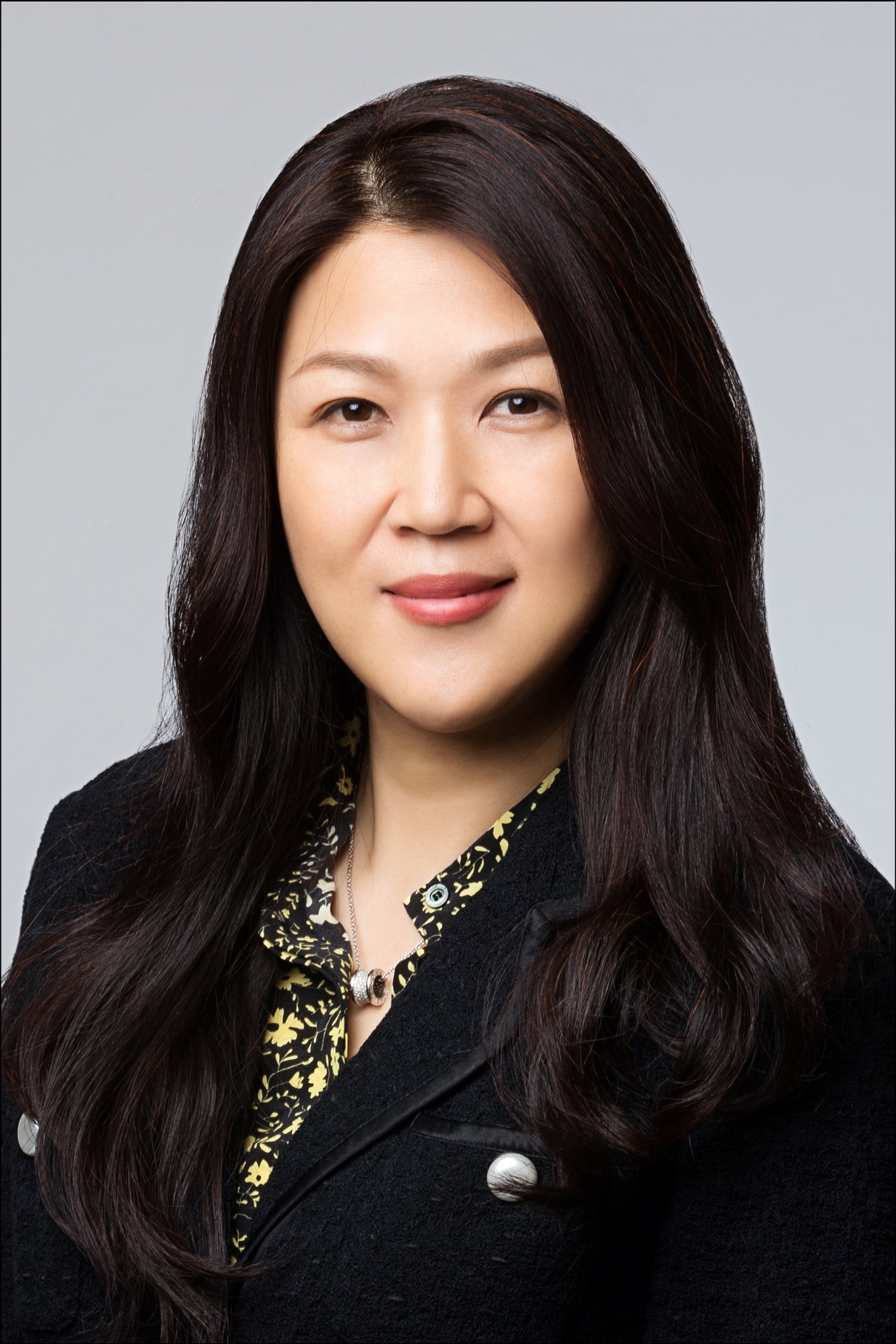
Wen Li
ChinaWen Li
Professor Wen Li, Director of the Reproductive Medicine Center of the International Peace Maternity & Child Health Hospital, medical school, Shanghai Jiao Tong University, Chairman of Chinese Society of Fertility Preservation , and the Vice President of Asian Society for Fertility Preservation, specializes in diagnosis and management of reproductive endocrine diseases and application of assisted reproductive technology. Her research is focused on fertility preservation and POI. Her significant contribution includes leading first successful live birth after ovarian cryopreservation in China.
Xiaoyan Liang
ChinaXiaoyan Liang
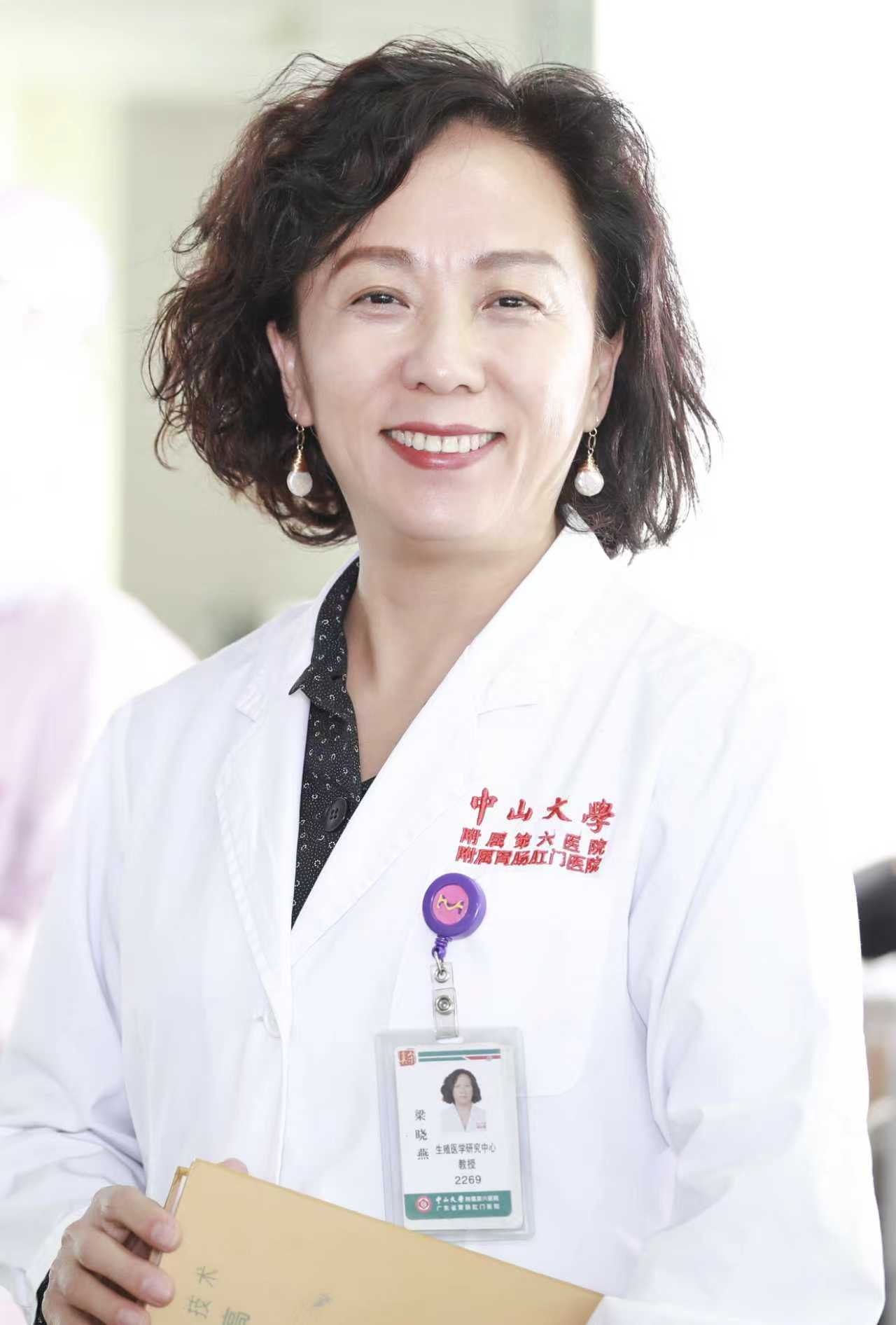
Professor Xiaoyan Liang
Academic and Professional Appointments
Professor Xiaoyan Liang holds a Doctor of Medicine degree from Sun Yat-sen University. She is a Grade II Professor, doctoral supervisor, and Chief Physician.
She is the Founder of the Center for Reproductive Medicine at the Sixth Affiliated Hospital of Sun Yat-sen University, Director of the Teaching and Research Division of Obstetrics and Gynecology at Sun Yat-sen University School of Medicine, and Chief Expert in Obstetrics, Gynecology, Reproductive Medicine, and Neonatology at the Sixth Affiliated Hospital of Sun Yat-sen University.
Professor Liang is a Chief Scientist of the National Key Research and Development Program of China under the Ministry of Science and Technology. She also serves as an expert in the Expert Database of the Academic Divisions of the Chinese Academy of Sciences and as Deputy Chair of the Gynecological Endocrinology Group of the Chinese Society of Obstetrics and Gynecology, Chinese Medical Association.
She has been recognized as a Guangdong Provincial Leading Medical Expert and served as President of the Global Chinese Association for Reproductive Medicine from 2014 to 2015.
Academic Achievements
Professor Liang has published more than 150 peer-reviewed scientific papers in leading international journals, including Nature Communications.
She is the Editor-in-Chief of two authoritative textbooks published by the People’s Medical Publishing House:
• Clinical Practice and Advances in Assisted Reproductive Technology• Clinical Techniques in Fertility Preservation
She also contributed to the first and second editions of Chinese Obstetrics and Gynecology.
Professor Liang has served as principal investigator for more than 30 research projects supported by the National Natural Science Foundation of China, provincial natural science foundations, and health authority research programs.
As Chief Scientist, she led the National Key Research and Development Program project entitled:
“Establishment of an Optimized System for Human Oocyte In Vitro Maturation and Evaluation of Its Safety in Clinical Application.”
She has also contributed to the development of national clinical consensus statements and guidelines on polycystic ovary syndrome, hyperprolactinemia, and amenorrhea.
Major Clinical and Scientific Milestones
2002
Professor Liang introduced immature oocyte in vitro maturation technology and achieved the birth of the first baby conceived through in vitro maturation, or IVM, in Guangdong Province, China.
2012
She performed China’s first orthotopic ovarian tissue transplantation between monozygotic twins.
2016
She established the first fertility preservation bank in South China.
2017
Professor Liang performed autologous mitochondrial transfer for a patient with impaired oocyte quality by injecting mitochondria derived from the patient’s own bone marrow cells into her oocytes. This represented the world’s first reported clinical application of this technique.
2021
She established the Guangdong Provincial Engineering Research Center for Fertility Preservation.
In the same year, her team performed China’s first cryopreservation, thawing, and autologous intraperitoneal transplantation of ovarian tissue obtained before puberty, successfully restoring pubertal development.
Her team also developed fertility-preservation strategies involving oocyte in vitro maturation for patients with ovarian cancer.
2022
Her team successfully induced pubertal development in a child with severe thalassemia through autologous transplantation of cryopreserved-thawed ovarian tissue, representing the first reported case of its kind in China.
Professor Liang also led the establishment of China’s first pediatric testicular tissue cryopreservation program.
2024
Professor Liang and her team achieved the world’s first reported live birth of a child without the ring chromosome carried by a patient with a telomere-fusion ring chromosome, using preimplantation genetic testing.
This case was widely described as the birth of a “ring-chromosome-free baby.”
2025
Professor Liang led the establishment of the Guangdong–Hong Kong–Macao University Alliance for Fertility Preservation, promoting multidisciplinary collaboration, clinical standardization, technological innovation, and regional development in fertility preservation.
Kristine Løssl
DenmarkKristine Løssl
Kristine Løssl is a medical doctor and a specialist in gynecology and obstetrics. She has been working fulltime in the field of reproductive medicine since 1999 with affiliation at the Department of Gynecology, Fertility and Obstetrics, Copenhagen University Hospital Rigshospitalet, Denmark since 2017. Kristine Løssl has been engaged in science since university and has authored and co-authored several original papers. She has supervised several PhD students.
Limor Man
USALimor Man
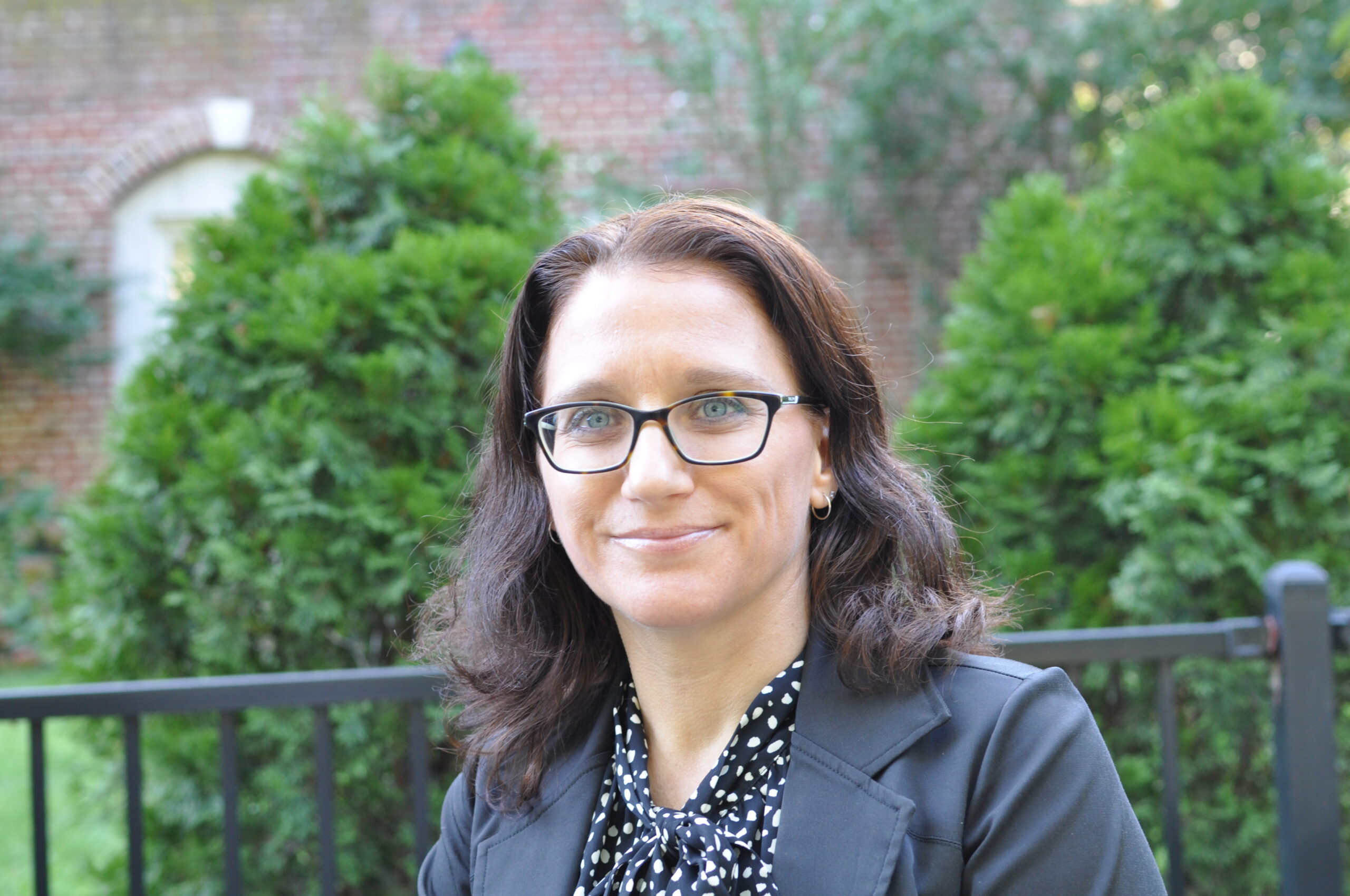
Dr. Limor Man is an Associate Professor of Research in Obstetrics and Gynecology and Reproductive Medicine at Weill Cornell Medicine. She holds an M.D. and M.Med.Sc. degrees in clinical biochemistry from Ben-Gurion University, Israel, and completed her residency in obstetrics and gynecology at Soroka Medical Center. She has been conducting research at the Ronald O. Perelman and Claudia Cohen Center for Reproductive Medicine at Weill Cornell Medicine since 2013. Her research focuses on fertility preservation and premature ovarian insufficiency, with a particular interest in ovarian physiology and the impact of chemotherapy. She has presented internationally, published extensively, and developed innovative models to study ovarian function and damage mitigation.
Dror Meirow
IsraelDror Meirow
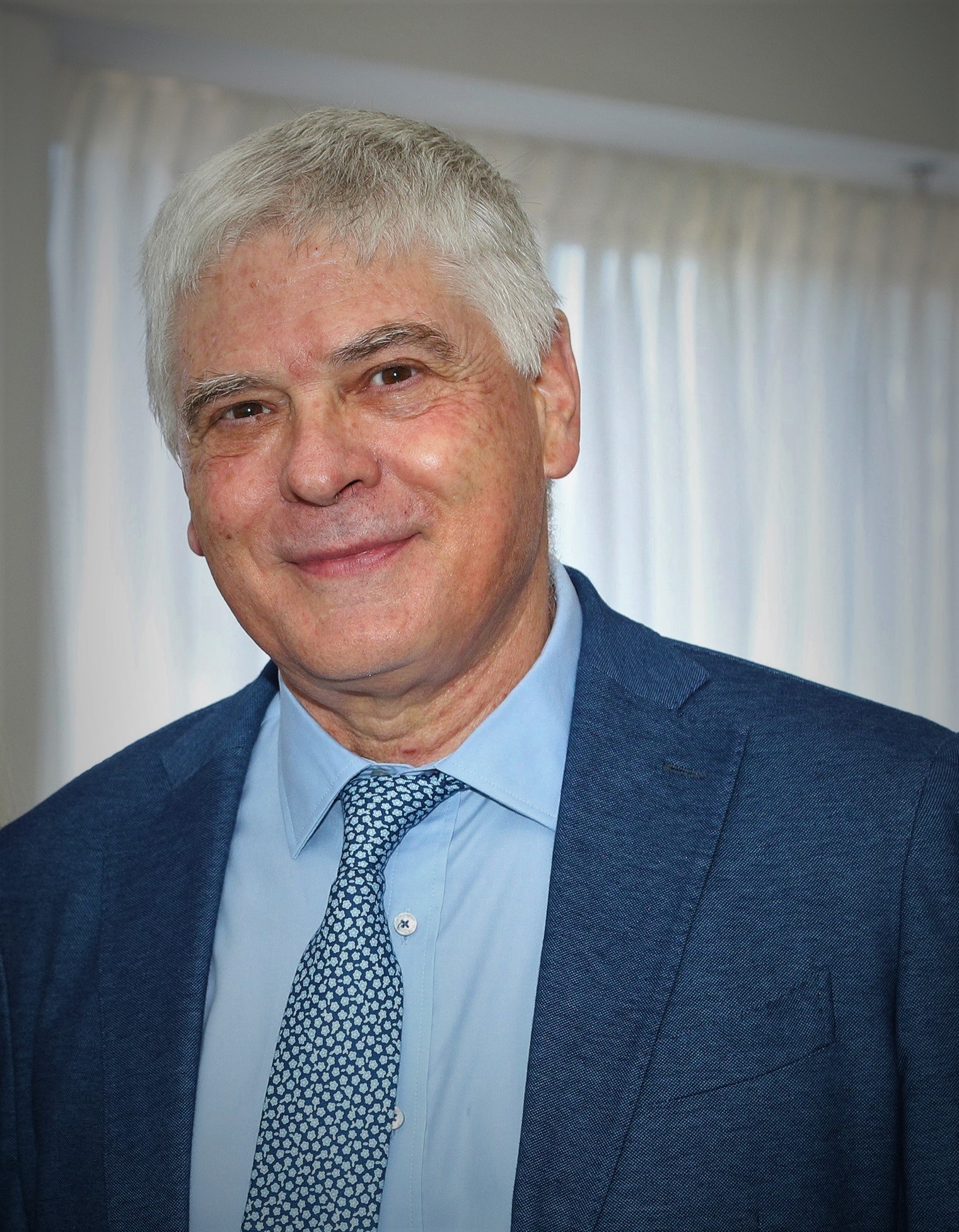
Professor Dror Meirow is the chair of the Morris Kahn Center for Fertility Preservation Division of Obstetrics and Gynecology, at Sheba Medical Center, Tel-Hashomer, Israel. He is a Professor at the Sackler Faculty of Medicine, Tel-Aviv University, Israel. Former President of the International Society of Fertility Preservation (ISFP).
Prof. Meirow received his M.D. from the Hebrew University, Jerusalem, Israel. He then specialized and practiced as a senior physician in Obstetrics and Gynecology at Hadassah University Hospital. He conducted his basic research training at the Center for Reproduction Growth and Development with Prof. Roger Gosden at the University Leeds, UK. Since 2001, Prof Meirow founded the Clinical Center for Fertility Preservation and the Fertility Preservation Research Laboratory at Sheba Medical Center, Tel Hashomer Israel.
Professor Meirow’s basic and clinical research is focused on the effects of chemotherapy on reproduction, and modalities for fertility preservation especially on ovarian tissue harvesting for fertility preservation, and medications that can prevent chemotherapy-induced ovarian damage. Prof. Meirow reported in the New England Journal of Medicine the first case of IVF, pregnancy, and delivery of a healthy baby to result from transplantation of cryopreserved thawed ovarian tissue in a sterilized former cancer patient. Prof. Meirow’s laboratory team published a pioneer study in Science Journal providing a new understanding of the “Burn-out” mechanisms involved in chemotherapy-induced ovarian damage, and testing a novel fertility-protecting agent.

Rod Mitchell
UKRod Mitchell
Rod is Professor of Developmental Endocrinology at the Centre for Reproductive Health at the University of Edinburgh. He is also a Consultant Paediatric Endocrinologist at The Royal Hospital for Children and Young People in Edinburgh.
Rod is clinical and research lead for fertility preservation in prepubertal boys with cancer. His work combines the clinical service for gonadal tissue cryopreservation with research aimed at developing clinical strategies to protect or restore fertility in patients receiving sterilising therapies. He is currently leading a UK clinical trial (Edinburgh, Oxford and UCL) to re-transplant testicular tissue into patients after chemotherapy treatment in order to restore fertility.
His laboratory research activities are focused on the role of the germ-stem cell niche in prepubertal testis development and function. His research group use in-vitro and transplantation approaches to model prepubertal testicular development in order to determine effects of exposure to chemotherapy on germ cells and to develop strategies to protect the testis from cancer treatments. These models are also being applied to promoting germ cell differentiation in prepubertal testicular tissues or protecting the childhood testis from chemotherapy-induced damage. Rod is also a Senior Deputy for the European Society of Human Reproduction and Embryology (ESHRE) SIG and is on the board of the International Society for Fertility Preservation (ISFP). He recently founded and co-ordinates the ORCHID-NET consortium, an international network for fertility preservation in prepubertal boys.
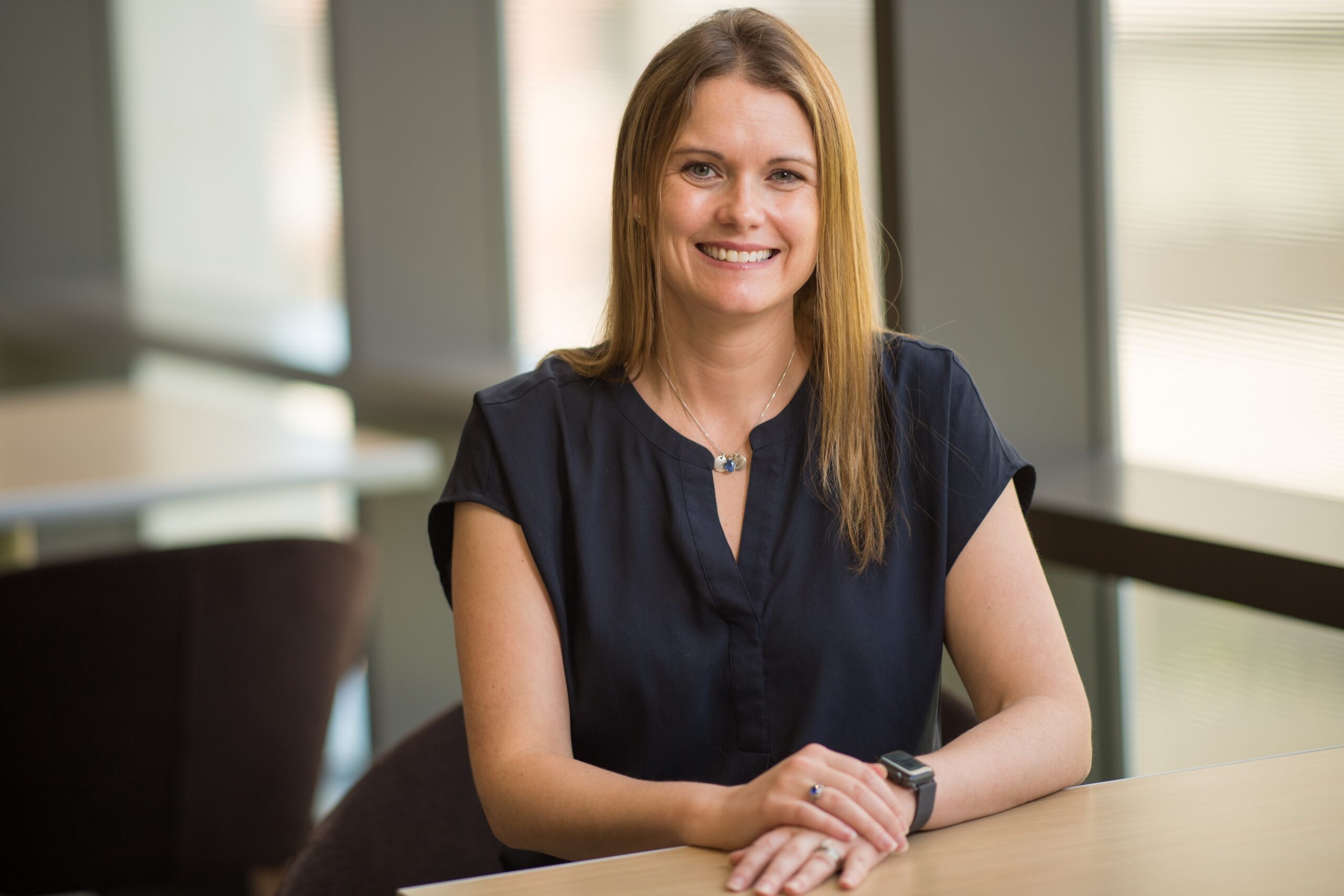
Rods presentation will discuss clinical and research progress in fertility preservation in children and adolescents facing gonadotoxic treatment, highlighting the importance of collaboration in conducting research and developing novel therapies in this field.
Website: Mitchell group | Centre for Reproductive Health
E-mail: [email protected]
X/Bluesky: @RodTMitchell
Molly Moravek
USAMolly Moravek
Dr. Molly Moravek is a Reproductive Endocrinology and Infertility Specialist at Reproductive Medicine Associates of Michigan and an Adjunct Associate Professor in Obstetrics and Gynecology at the University of Michigan. She is the immediate past Executive Director of the Oncofertility Consortium. She earned her MD and MPH from the University of Michigan Medical School and completed her residency in Obstetrics and Gynecology at the University of Michigan. She completed her fellowship in Reproductive Endocrinology and Infertility at Northwestern University in Chicago, where she also earned a Master of Science in Clinical Investigation. Dr. Moravek has a special interest in fertility preservation, gender-affirming hormone therapy, and LGBTQIA+ family building. She previously received NIH-funding for a transmasculine mouse model in which she studied the reproductive consequences of gender-affirming hormone therapy.
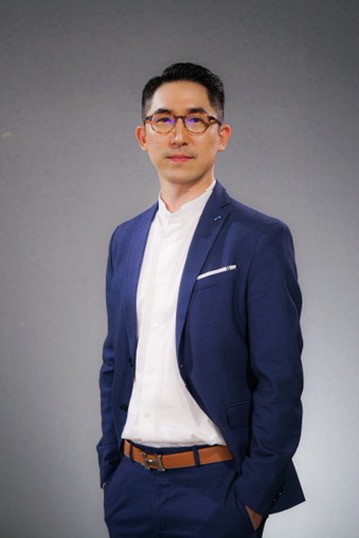
Olarik Musigavong
ThailandOlarik Musigavong
Olarik Musigavong, MD, is a reproductive medicine specialist and gynecologic endoscopist from Thailand. He heads the Reproductive Endocrinology and Surgery Clinic at Chaophya Abhaibhubejhr Hospital in Prachinburi. He is board-certified in Obstetrics and Gynecology and in Reproductive Medicine. He holds a Master’s in Biotechnology of Human Assisted Reproduction and Embryology from the University of Valencia, Spain, and an MBA from Mahidol University. He completed further training in Japan and in Leuven, Belgium.
Dr. Musigavong chaired the ASRM Complementary and Alternative Medicine Special Interest Group (2019–2020). He sits on the Medical Council of Thailand and serves on the Working Committee to the Minister of Public Health. He previously directed the Maternal and Infant Health Department at Thailand’s Ministry of Public Health. He is on the editorial board of Best Practice & Research: Clinical Obstetrics & Gynaecology and on the board of the Society of Endometriosis and Uterine Disorders. His interests include reproductive surgery, AI in healthcare and medical education.
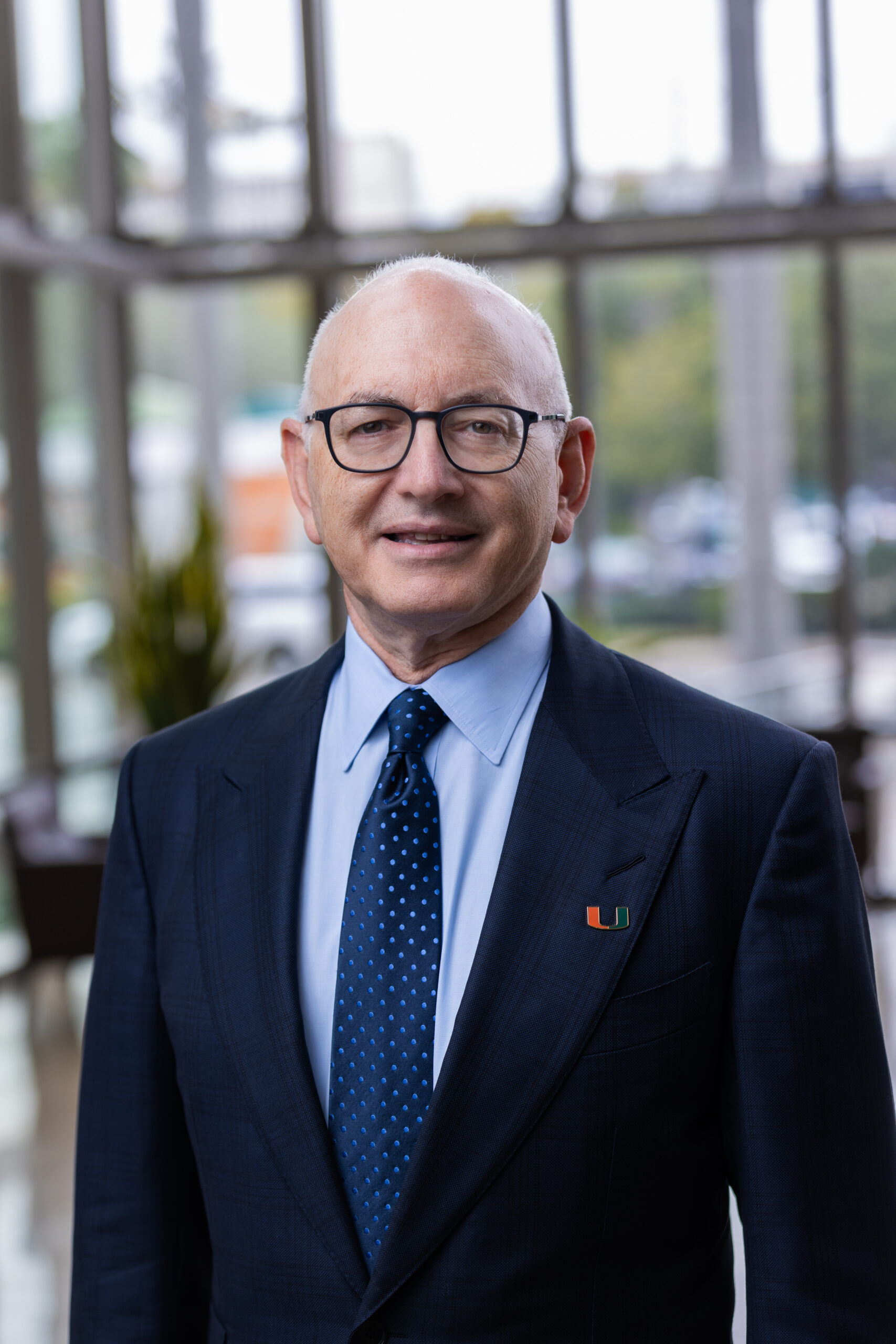
Stephen Nimer
USAStephen Nimer
Dr. Stephen D. Nimer is the Director of the National Cancer Institute-designated Sylvester Comprehensive Cancer Center, Professor of Medicine, Biochemistry and Molecular Biology and the Executive Dean for Research at the University of Miami Miller School of Medicine. He holds the Oscar de La Renta Endowed chair in Cancer Research. With over 30 years in clinical care, research, and leadership, he has made significant contributions to hematologic malignancy research and treatment. Prior to joining the University of Miami in 2012, Dr. Nimer spent nearly 20 years at Memorial Sloan-Kettering Cancer Center, where he held multiple leadership roles and the Alfred P Sloan endowed chair in cancer research.
Dr. Nimer is an accomplished physician-scientist with over 300 publications and several patents for leukemia treatments. He serves as the Chairman of the Myelodysplastic Syndromes Foundation and the Gabrielle’s Angels Foundation. He has been inducted into ASCI, AAP and ASEMFL and has received numerous awards, including University of Miami “Provost Lifetime Achievement” award and the ASH Mentor of the Year award in 2024.
Ozgur Oktem
TurkeyOzgur Oktem
Professor Oktem completed his residency at Marmara University Hospital Istanbul Turkey between 1997-2001 followed by post-doctoral fellowship in Reproductive Medicine at Weill Medical College of Cornell University NY, USA 2003-2005 and molecular biology at Memorial Sloan Kettering Cancer Center NY, USA 2003-2008. He worked at American Hospital Women’s Health Center in Istanbul Turkey 2008-2013. He is the founder and coordinator of Fertility Preservation Program at Koc University Hospital and Reproductive Medicine PhD program at the Graduate School of Health Sciences Koc University Istanbul Turkey. He is currently a full time professor of OB/GYN and Reproductive Endocrinology and Infertility at Koc University Hospital, and the president of the Asian Society for Fertility Preservation. His research area of interest includes cryobiology, freezing techniques, molecular mechanism of gonadal damage of chemotherapy and radiation and targeted drugs and peripubertal ovarian stimulation.

Kyle Orwig
USAKyle Orwig
Dr. Orwig is a Professor of Obstetrics, Gynecology and Reproductive Sciences at the University of Pittsburgh School of Medicine. He is also the director of the Fertility Preservation Program and the Center for Reproduction and Transplantation at Magee-Womens Hospital of UPMC. Research in the Orwig laboratory focuses on stem cells, germ lineage development, fertility and infertility. The lab is ideally located in Magee-Womens Research Institute and Magee-Womens Hospital and is committed to translating lab bench discoveries to the clinic for diagnosis, prevention and treatment of infertility.
Fertility Preservation Program in Pittsburgh http://www.fertilitypreservationpittsburgh.org
Orwig Research Group http://www.orwiglab.org
Gianpiero Palermo
USAGianpiero Palermo
Dr. Gianpiero D. Palermo is a Professor of Embryology in Obstetrics and Gynecology and the Blavatnik Family Professor of Reproductive Medicine at The Ronald O. Perelman and Claudia Cohen Center for Reproductive Medicine of Weill Cornell Medical College. He received his B.Sc. from Lyceum “Vincenzo Lilla” in Francavilla, Fontana, Italy, received his medical degree from the University of Bari in Bari, Italy, and received his Ph.D. in Reproduction and Development from Monash University in Clayton, Victoria, Australia. He completed his residency in Obstetrics and Gynecology and his Fellowship in Reproductive Endocrinology and Infertility at New York-Presbyterian/Weill Cornell Medical Center. He is board-certified in Obstetrics and Gynecology and in Reproductive Endocrinology and Infertility from the American Board of Obstetrics and Gynecology. He is a member of both the American Society of Reproductive Medicine as well as the European Society for Human Reproduction and Embryology. Furthermore, he has been the Director of Assisted Fertilization and Andrology at The Ronald O. Perelman and Claudia Cohen Center for Reproductive Medicine since 1993.
Dr. Palermo was the first to describe intracytoplasmic sperm injection (ICSI), a solution to complete and unexpected fertilization failure with in vitro fertilization and male factor infertility, in 1992. Since then, it has become the most utilized assisted reproductive technology in the world.
Dr. Palermo specializes in the assessment and treatment of the infertile man, including sophisticated, non-traditional sperm preparation techniques and the correction of fertilization failure.
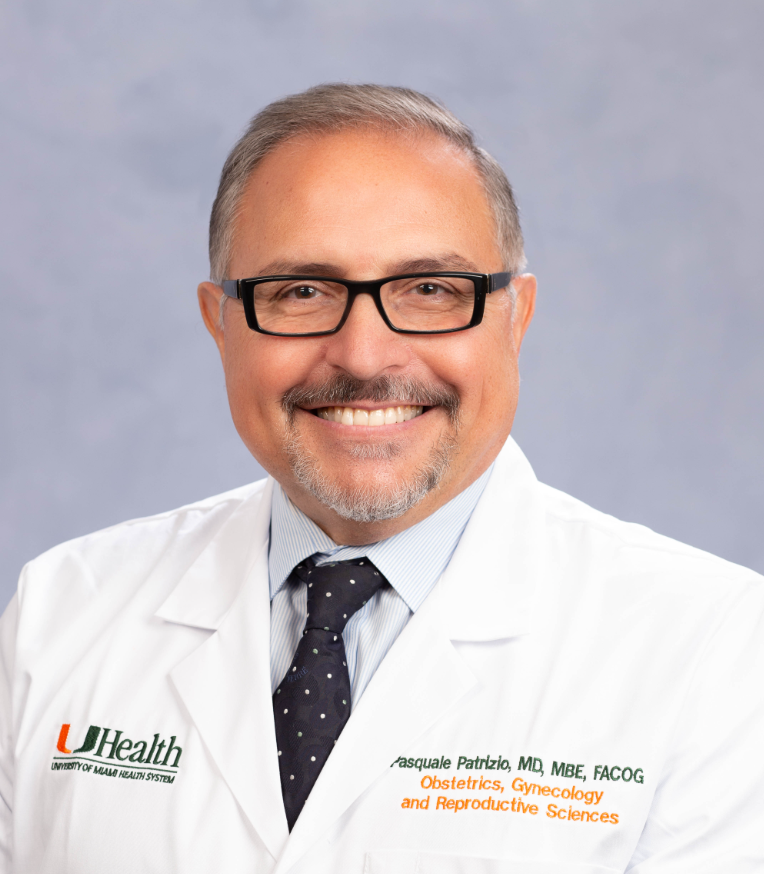
Pasquale Patrizio
USAPasquale Patrizio
Pasquale Patrizio, MD, MBE, HCLD, FACOG
Division Reproductive Endocrinology and Infertility University of Miami, USA
Pasquale Patrizio, an internationally renowned specialist in female and male reproductive medicine, is joining the University of Miami Miller School of Medicine as professor of obstetrics, gynecology and reproductive sciences and chief of the Division of Reproductive Endocrinology and Infertility.
Dr. Patrizio also co-pioneered the microsurgical epididymal sperm aspiration (MESA) technique to improve male fertility and developed whole ovary cryopreservation via multi-thermal gradient for fertility preservation in women. He also studied new methods for bio-banking gametes, reproductive tissue, and stem cells. In addition, Dr. Patrizio was co-author of the guidelines for fertility preservation in cancer on behalf of the American Society of Clinical Oncology (ASCO).
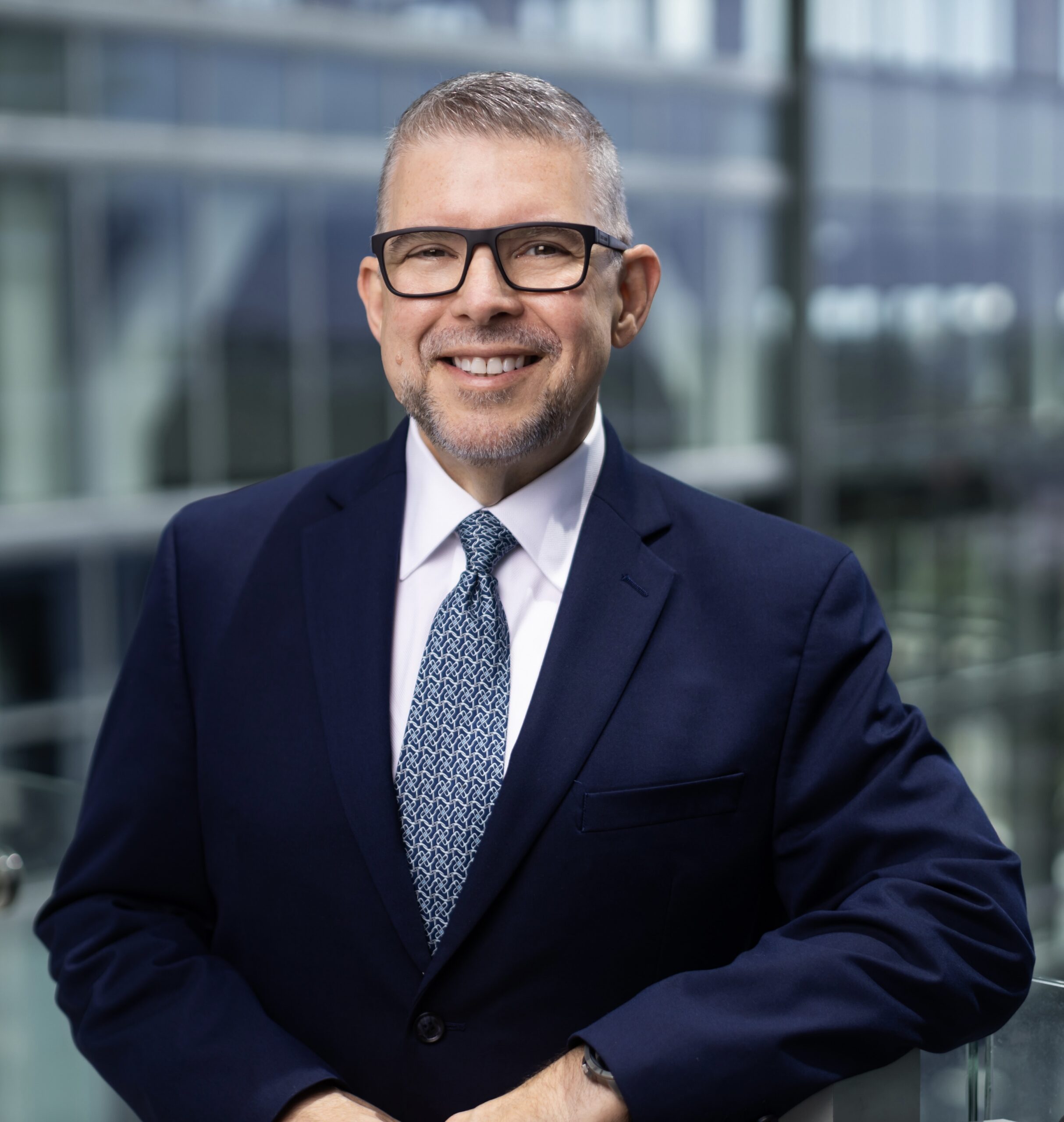
Frank Penedo
USAFrank Penedo
Dr. Frank J. Penedo is a professor in the Departments of Psychology and Medicine, Associate Director for Population Sciences at the University of Miami Sylvester Comprehensive Cancer Center, and the Sylvester DCC Living Proof Endowed Chair in Cancer Survivorship. He directs the Sylvester Survivorship and Supportive Care Institute. He earned his PhD in clinical health psychology from the University of Miami. He completed his clinical residency in psychosocial oncology and behavioral medicine at the University of Pittsburgh School of Medicine. His work investigates the biopsychosocial mechanisms underlying chronic disease and assesses the effectiveness of evidence-based psychosocial interventions—either in person or via technology—in managing cancer and improving both patient-reported and clinical outcomes. Dr. Penedo also conducts translational dissemination and implementation research to address unmet survivorship care needs, as well as to monitor and manage symptoms and toxicities in ambulatory oncology, leveraging advances in electronic health records (EHR) and AI technologies. He is an internationally recognized leader in cancer survivorship, psychosocial and behavioral interventions, patient-reported outcomes, and digital health. As Director of the Sylvester Cancer Survivorship and Supportive Care Institute, he oversees the implementation of supportive care standards, aligning them with translational research programs evaluating the effects of distress screening, symptom and toxicity monitoring, and comprehensive survivorship care delivery. He has served as President of the International Society of Behavioral Medicine, and his research and mentoring have been honored with numerous awards from prestigious organizations in his field. He is an elected fellow of the Society of Behavioral Medicine, the Academy of Behavioral Medicine Research, and the International Society of Behavioral Medicine. He has also served on numerous NIH study sections and as a senior associate editor and reviewer for multiple journals. Dr. Penedo has authored over 390 peer-reviewed publications on cancer survivorship and disease management, has been continuously funded by the NIH for the past 24 years.

Catherine Poirot
FranceCatherine Poirot
Catherine POIROT was Professor at Sorbonne Université (Paris, France). She is a medical doctor, reproductive biologist and was responsible for the Unit of reproductive biology at Pitié-Salpêtrière Hospital (Paris, France) and after, for the fertility preservation program at Saint Louis Hospital (Paris, France). She is the founder and past President of the French GRECOT group (Research and Study Group on Ovarian and Testicular Cryopreservation).
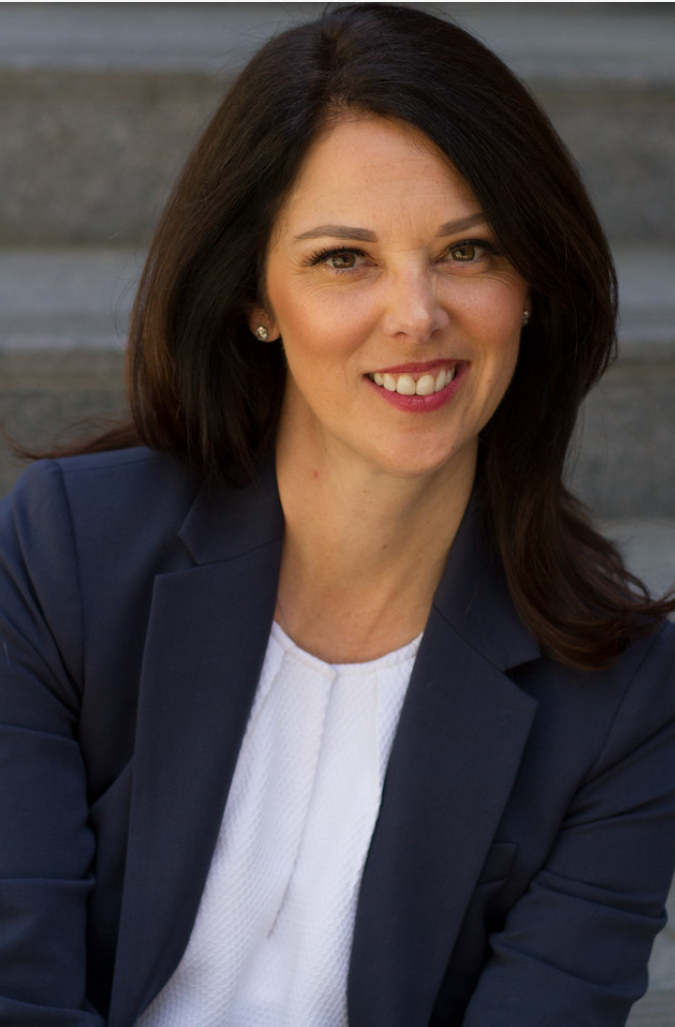
Joyce Reinecke
USAJoyce Reinecke
Joyce is the Executive Director of the Alliance for Fertility Preservation, a national nonprofit organization dedicated to raising awareness about fertility preservation for cancer patients, with an emphasis on improving access to services. Prior to joining the AFP, Joyce was a Cancer & Fertility Advisor for the LIVESTRONG Foundation, and before that, the Vice President of Programs for Fertile Hope. She comes to this work from her experience as a cancer survivor who underwent embryo freezing and surrogacy to have her own twin daughters.
Joyce has been involved in the field of oncofertility for almost twenty years and has become a recognized leader and dedicated advocate – particularly in the realms of policy, legislation, and insurance coverage. She has been a featured speaker at many professional conferences and events, and co-authored numerous publications, including the 2018 and 2025 updates of ASCO’s fertility preservation guidelines.
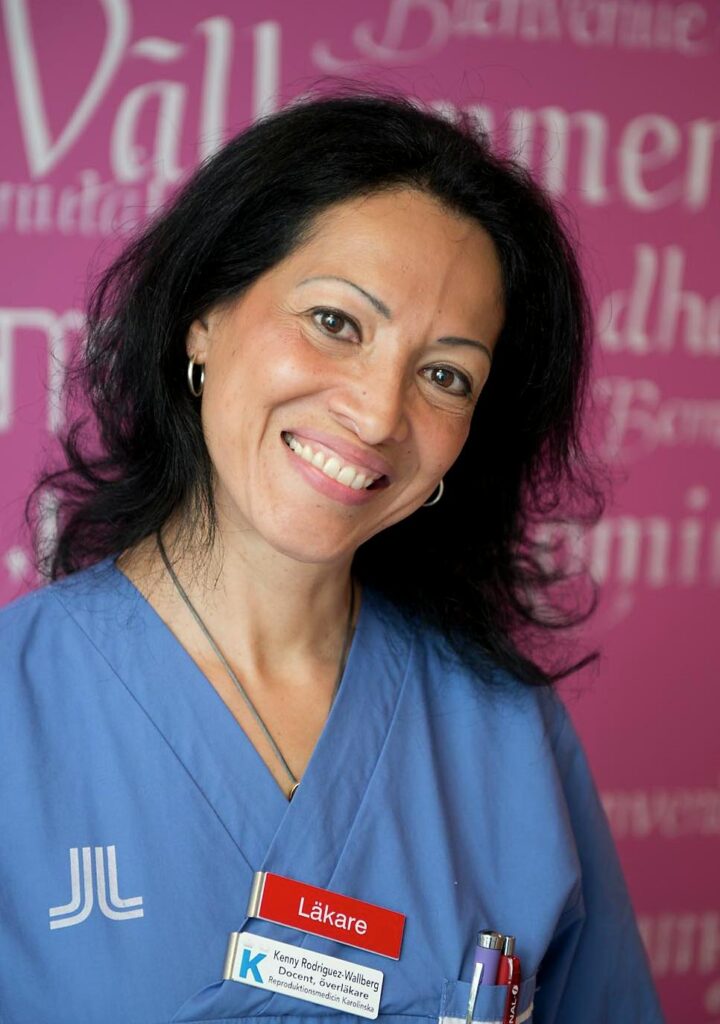
Kenny Rodriguez-Wallberg
SwedenKenny Rodriguez-Wallberg
Kenny Rodriguez-Wallberg, MD, PhD
Karolinska Institutet and Karolinska University Hospital Huddinge, Sweden
Kenny A. Rodriguez-Wallberg is Professor on Reproductive Oncology at Karolinska Institutet in Stockholm, Sweden. She is also consultant at the Department of Reproductive Medicine of Karolinska University Hospital and Head of the Program of Fertility Preservation.
A reproductive medicine specialist by training, her research focuses on how cancer treatments impact young patients’ reproductive health and the safety and efficacy of the procedures for fertility preservation. She has published extensively on reproductive medicine, assisted reproductive technologies, fertility preservation, obstetrical outcomes and specific risks in patients with cancer or benign conditions, transgender reproductive issues, reproductive endocrinology, genetics and menopause.
For the past 20 years, much of her work has focused on fertility preservation. Dr. Rodriguez-Wallberg has published more than 150 peer-reviewed papers.
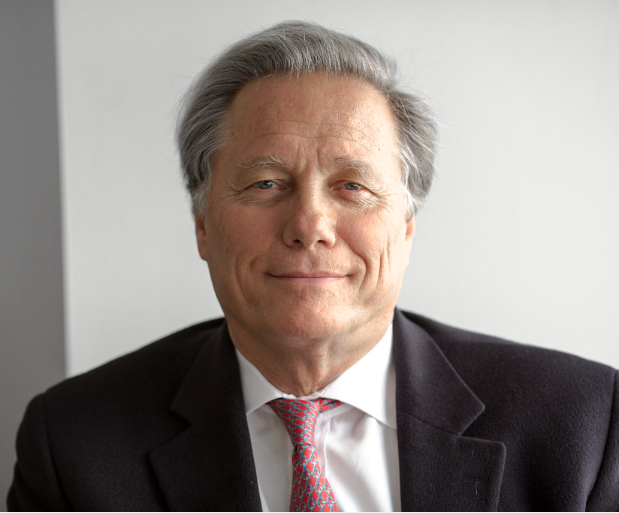
Zev Rosenwaks
USAZev Rosenwaks
Zev Rosenwaks, MD
Weill Cornell College of Medicine, New York, USA
Dr. Rosenwaks is internationally renowned for his pioneering work in assisted reproductive technology (ART). He is the former Director of the Jones Institute for Reproductive Medicine in Norfolk, Virginia, the unit that achieved the first in vitro fertilization (IVF) pregnancy in the United States. He also developed the United States’ first egg donation program and has been instrumental in developing many contemporary ovarian stimulation protocols central to successful IVF. He is also a major contributor to moderate ovarian stimulation protocols designed to avoid ART complications such as ovarian hyperstimulation syndrome.
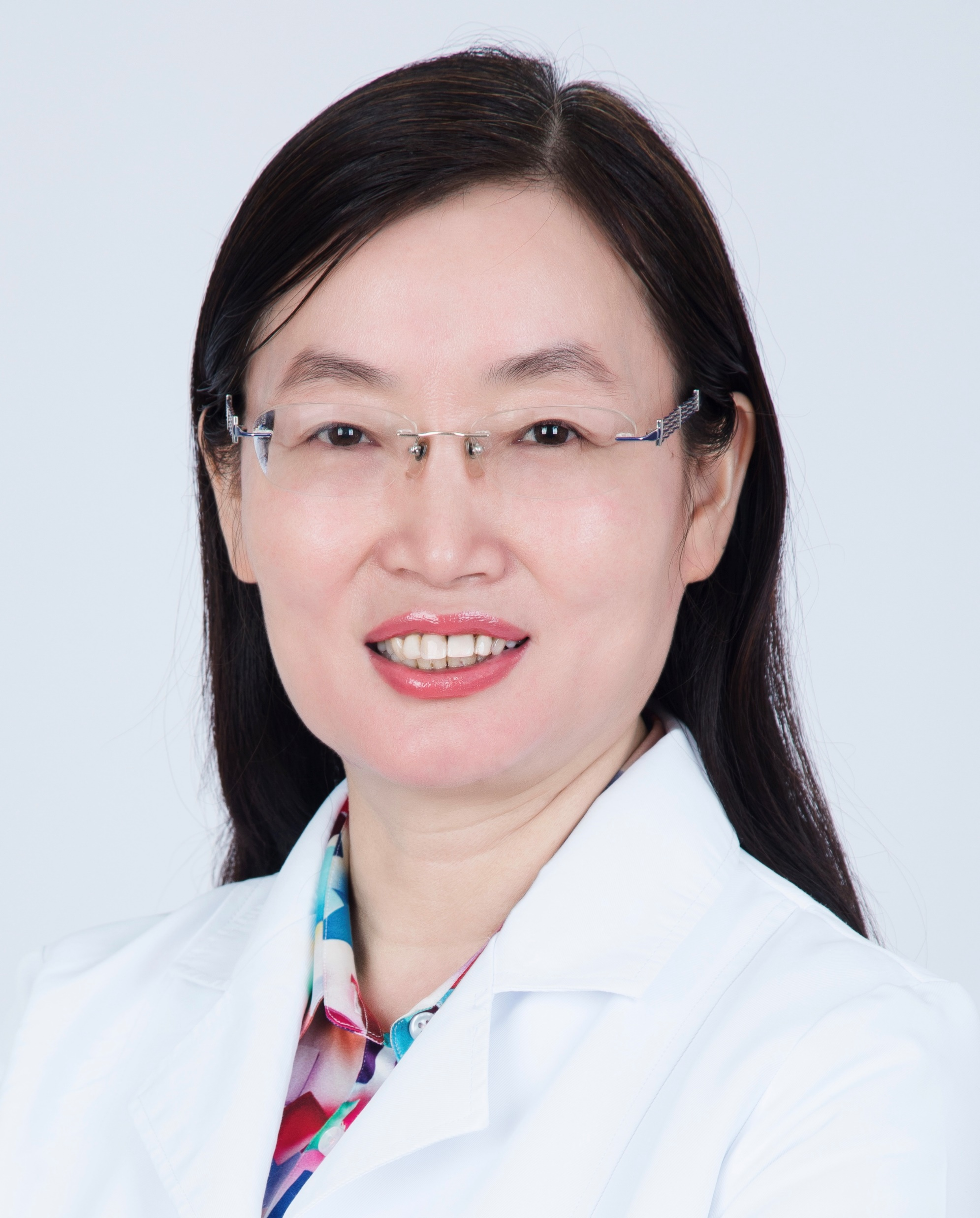
Xiangyan Ruan
ChinaXiangyan Ruan
Of course — here it is typed up cleanly (I also lightly fixed spacing/formatting/typos while keeping the meaning the same).
Prof. Dr. Xiangyan Ruan, MD, PhD
- Capital Medical University
- Fourth Executive Deputy Director of the College of Obstetrics and Gynecology
- Doctoral Supervisor
- Beijing Obstetrics and Gynecology Hospital
- Chief Physician
- Founding Director and Chief Expert of the Department of Gynecological Endocrinology (including the first menopause clinic in China and the first ovarian tissue cryobank in China)
- Representative of the 14th National People’s Congress
- Expert in the National Health Science Popularization Expert Database
- Head of the fertility preservation team for ovarian tissue cryopreservation for strategic science and technology talents in Beijing
- Visiting Scholar at Columbia University (USA) and the University of Tübingen (Germany); Visiting Professor at the University of Tübingen
- Recipient of the Special Government Allowance from the State Council of the People’s Republic of China, named “Good Doctor of China,” and recognized as one of the Top Ten Health Guardians of the Capital
- Established the first ovarian tissue cryopreservation bank in China and led the team to successfully complete China’s first cryopreserved ovarian tissue transplantation surgery
- Led to the first and second healthy live births in China following cryopreserved ovarian tissue transplantation, marking a milestone in fertility preservation in China. She is known as the “First Person in China to Cryopreserve Ovaries” and the “Mother of Cryopreserved Babies in China”
- President of the Fertility Conservation and Preservation Committee, China Human Health Science and Technology Promotion Association
- President of the Fertility Conservation Branch Council of the China Health Management Association
- Vice President of the Beijing Obstetrics and Gynecology Society and Chairperson of the Endocrinology Branch of the Beijing Obstetrics and Gynecology Society
- Member of the Executive Committee of ISGE, IMS, and the International Society for Human Reproduction
- President of the Chinese Society of Gynecological Endocrinology affiliated with ISGE
- Associate Editor of Gynecological Endocrinology
- Principal investigator of more than 60 national and provincial research projects
- Published over 500 papers, including more than 160 SCI papers, and edited/translated 10 books
- Included in the World’s Top 2% of Scientists list for four consecutive years
- As the first person to obtain ovarian tissue cryopreservation-related national invention patents (4 patents)
- Recipient of the Beijing Science and Technology Progress Award
- Mentored foreign experts who received the Chinese Government Friendship Award, Beijing Great Wall Friendship Award, and the Orchid Award
- Capital Medical University
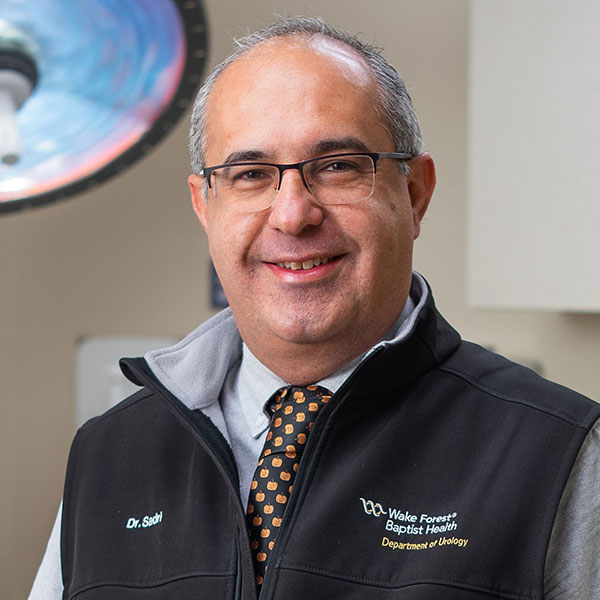
Hooman Sadri
USAHooman Sadri
Hooman Sadri, MD, PhD, assistant professor, is an andrologist who specializes in male reproductive medicine and directs the male fertility research program. He serves as MD director for the American Society of Andrology board of directors and is active in related societies. His expertise includes electro-ejaculation, vasectomy reversal, and microsurgical testicular sperm extractions. His expertise is in Klinefelter syndrome, other genetic causes of hypogonadism, and spinal cord injury infertility. He established and also directs the spermatogonia stem cell bank for fertility preservation of high-risk boys and men, one of the world’s largest bio-banking systems.
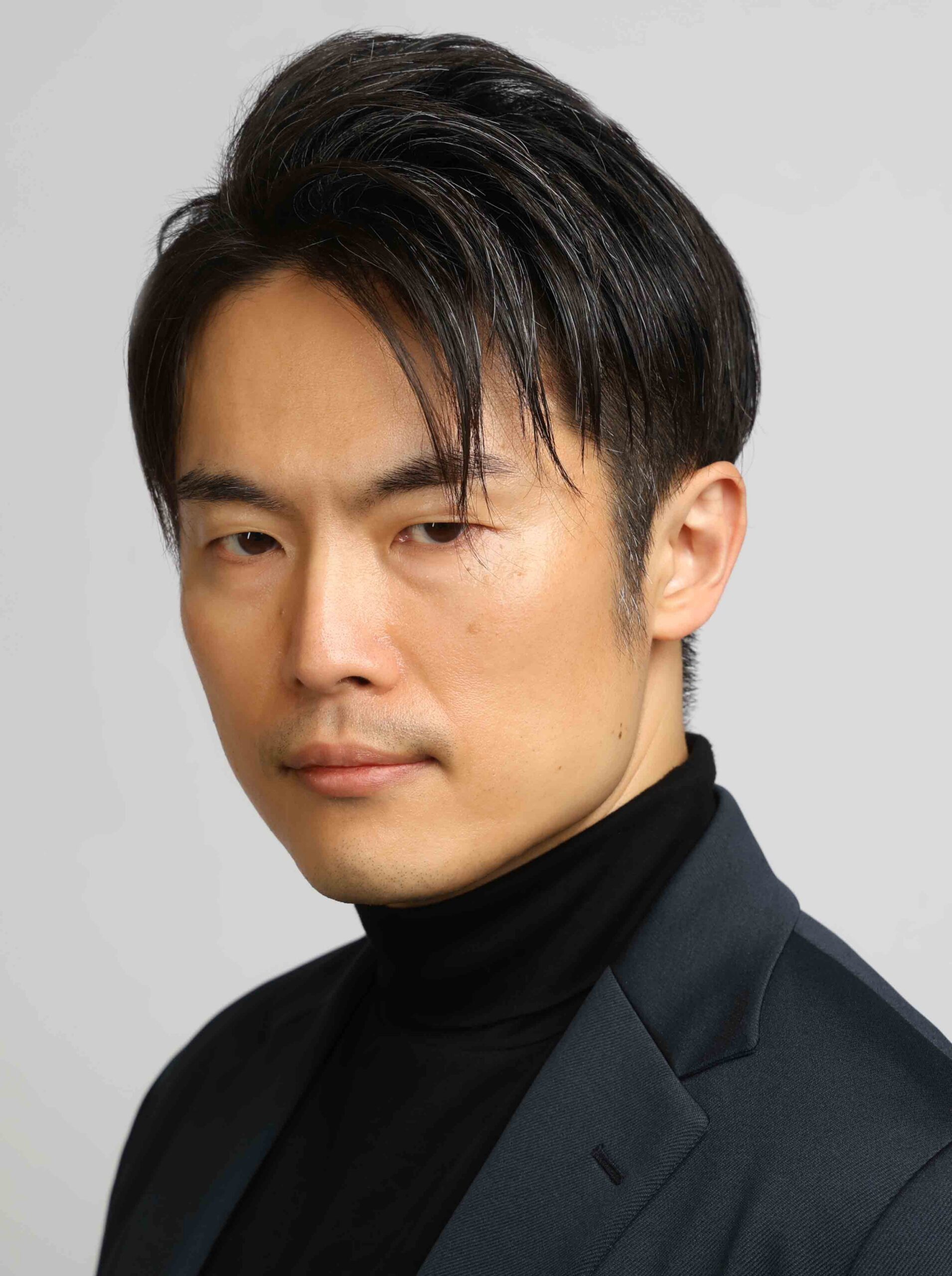
Kotaro Sasaki
USAKotaro Sasaki
Dr. Kotaro Sasaki is the Richard King Mellon Associate Professor of Biomedical Sciences at the University of Pennsylvania School of Veterinary Medicine, with a joint appointment in Pathology and Laboratory Medicine at the Perelman School of Medicine. He is a board-certified anatomic pathologist and completed postdoctoral training with Mitinori Saitou at Kyoto University.
Dr. Sasaki’s research focuses on reconstructing human reproductive and endocrine development using pluripotent stem cells. His laboratory has identified the nascent amnion as the origin of the primate germline, reconstituted key stages of human male germ cell development from pluripotent stem cells, defined the developmental origins of human gonadal and adrenal lineages, and reconstructed the developing human adrenal cortex in vitro. These pioneering discoveries have established unprecedented capabilities to recreate human reproductive and endocrine development, opening new avenues for understanding and ultimately treating infertility and endocrine disease.
His research has been published in leading journals, including Nature, Science, Cell Stem Cell, and Developmental Cell, and supported by the NIH, Open Philanthropy, HRFF, National Adrenal Diseases Foundation, and the Marda and Quinlivan Family Foundations.
Glenn Schattman
USAGlenn Schattman
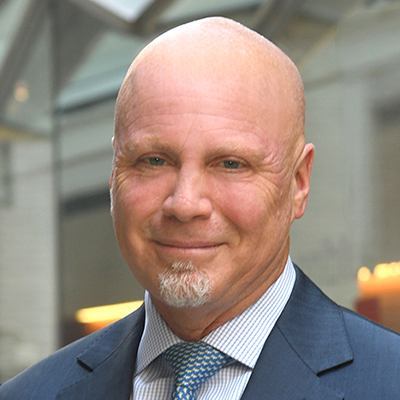
Dr. Glenn L. Schattman is board-certified in Obstetrics and Gynecology and Reproductive Endocrinology and Infertility. He holds the position of Associate Professor of Clinical Reproductive Medicine and Clinical Obstetrics and Gynecology at Weill Cornell Medical College, and is a Reproductive Medicine Specialist and Surgeon at The NewYork-Presbyterian Hospital. Dr. Schattman also plays a key leadership role as Associate Director of the Reproductive Endocrinology and Infertility Fellowship Program at the renowned Ronald O. Perelman and Claudia Cohen Center for Reproductive Medicine.
A leader in the field of assisted reproduction, Dr. Schattman is a past President of the Society for Assisted Reproductive Technology (SART) and former Chair of its Practice Committee. He also served as President of the New York Obstetrical Society and currently chairs the Alliance for Fertility Preservation. In 2024, he was elected Vice President of the International Society for Fertility Preservation.
Dr. Schattman’s clinical and research expertise spans the full spectrum of assisted reproductive technologies (ART), with a particular focus on fertility preservation for cancer patients, including ovarian tissue cryopreservation and advancing techniques to improve transplantation outcomes. A founding member of the Alliance for Fertility Preservation, he is deeply committed to expanding access to fertility preservation education and services, and to advancing the field through innovation, mentorship, and patient-centered care.
Widely recognized for his teaching and clinical excellence, Dr. Schattman has received numerous awards, including the ACOG Excellence in Teaching Award and multiple “Best Doctor” honors. He is a frequent speaker at national and international conferences and has authored numerous scientific publications and textbook chapters on topics ranging from IVF and Pre-Implantation Genetic Testing (PGT)to oncofertility.
Moran Shapira
IsraelMoran Shapira
Dr. Moran Shapira is a reproductive medicine specialist and Director of the Fertility Preservation Center at Sheba Medical Center, Israel. She graduated from Tel Aviv University School of Medicine and completed her residency in Obstetrics and Gynecology at Sheba Medical Center, followed by a fellowship in Reproductive Endocrinology and Infertility. Her clinical and research work focuses on fertility preservation in patients with cancer and in patients at genetic risk of premature ovarian insufficiency.
Sherman Silber
USASherman Silber
Dr. Sherman Silber, a renowned pioneer in microsurgery and infertility, is considered one of the world’s leading authorities on IVF, mini-IVF, sperm retrieval, ICSI, vasectomy reversal, male infertility, tubal ligation reversal, egg and embryo freezing, ovary transplantation and the reproductive biological clock.
For over 50 years Dr. Silber has originally developed all of the most popular fertility treatments used all around the world today.
He performed the world’s first microsurgical vasectomy reversal, as well as the first testicle transplant, in the 70’s and now in the current century, the world’s first ovary transplant. He was the first to develop the TESE and MESA techniques for retrieving testicular and epididymal sperm in azoospermic men. He headed the clinical MIT team that first mapped and sequenced the Y chromosome in infertile men and discovered the now famous DAZ gene for male fertility. His research includes also the study of reproduction and fertility in zoo animals and endangered species. Most recently he has perfected the preservation of fertility for cancer patients with ovarian freezing and transplantation and thereby figured out how to extend the reproductive biological clock of women. He has helped pioneer minimal ovarian stimulation to reduce IVF costs and eliminate complications while maintaining the very highest success rate, even in older women. He has even recently answered the age-old question of why the dinosaurs went extinct by extending his research on male infertility and the Y chromosome, discovering that the change in earth temperature 65,000,000 years ago led to the birth of a skewed male/female sex ratio.
He now heads the clinical team on the CHOSE project to transform skin biopsy cells into eggs and sperm in humans.
Dr. Silber went to medical school at the University of Michigan, did post-graduate training at Stanford University, and then again at the University of Michigan. From 1967 to 1969, he provided medical care via the U. S. Public Health Service to Eskimos, Indians, and Aleuts. Then he taught at the University of Melbourne Medical School in Australia, and later at the University of California Medical School in San Francisco. He is a scientific collaborator at MIT in Cambridge, Massachusetts, at the Kato Clinic in Tokyo, and at the University of Kyushu in Japan, and is a full professor at the University of Amsterdam, and at Sun Yat Sen University Medical School in China. His major clinical medical practice is in St. Louis, Missouri.
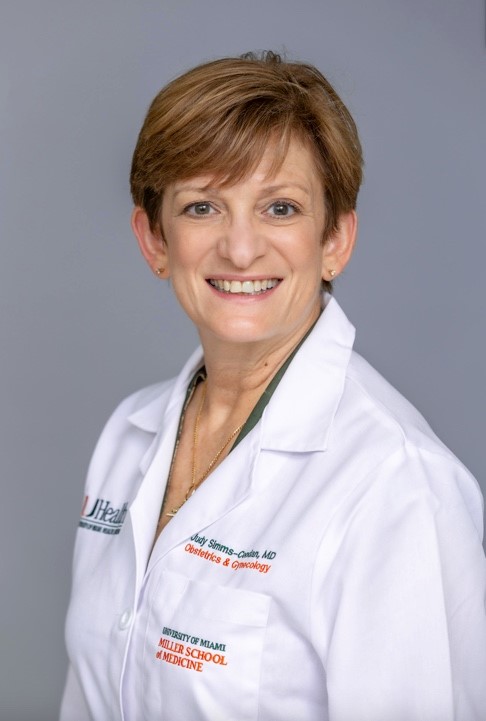
Judy Simms-Cendan
USAJudy Simms-Cendan
Dr. Judy Simms-Cendan is a Professor and the Founding Division Director of Pediatric Adolescent Gynecologist at the University of Miami Miller School of Medicine. She is honored to be a Past President of NASPAG (2023-2024). She is treasurer of the International Federation of Pediatric Adolescent Gynecology (FIGIJ) and chairs the FIGIJ Advocacy committee. She is Editor of the FIGO Global Library of Women’s Medicine Volume on Adolescent Gynecology and serves on the Editorial Board of the JPAG. She truly values her work with colleagues in the US and abroad in development of reproductive health education, research, and advocacy for adolescent girls worldwide.
Kristin Smith
USAKristin Smith
Kristin Smith, the Program Manager for Fertility Preservation, consults with young, newly diagnosed oncology patients at Northwestern’s Lurie Cancer Center to help each patient understand their individual fertility risk associated with treatment as well as options for fertility preservation. She works extensively with young adult oncology survivors to help each patient explore their unique family building options and reproductive health post treatment. Kristin also answers the Oncofertility Consortium’s national fertility hotline to triage patients for fertility preservation across the United States.
Nao Suzuki
JapanNao Suzuki
Dr. Nao Suzuki has been serving as a Professor and Chair of the Department of Obstetrics and Gynecology at St. Marianna University School of Medicine, Kanagawa, Japan, since 2011. He is also the Deputy Director of St. Marianna University Hospital.
Dr. Suzuki obtained his medical degree from the School of Medicine, Keio University (Tokyo, Japan) in 1990 and earned his Ph.D. in Obstetrics and Gynecology from the Graduate School of Medicine, Keio University in 2000. He currently serves as Vice President of both the Japanese Society of Obstetrics and Gynecology (JSOG) and the Japanese Society of Gynecologic Oncology (JSGO). His areas of expertise include gynecologic oncology, reproductive medicine—particularly fertility preservation for childhood, adolescent, and young adult (CAYA) cancer patients (Oncofertility)—and medical ethics.
In 2012, he established the Japan Society for Fertility Preservation (JSFP), followed by the Asian Society for Fertility Preservation (ASFP) in 2016, which now encompasses 16 countries across Asia. He served as the President of the International Society for Fertility Preservation (ISFP) from January 2023 to December 2024. As the 8th ISFP President, he successfully hosted the 8th World Congress of ISFP in Tokyo in November 2024, which brought together more than 600 experts and researchers in the field, including 420 international participants, fostering fruitful discussions.
Dr. Suzuki emphasizes that gynecologic oncologists, as the primary caregivers of their patients, should conduct fertility-sparing surgeries with a comprehensive understanding not only of assisted reproductive technologies (ART) and fertility preservation (FP) but also of preconception care and social issues. In line with this vision, as a council member of the Asian Society of Gynecologic Oncology (ASGO), he established the Special Task Force on Fertility Preservation in Gynecologic Oncology. This ASGO-affiliated group consists of nearly 40 young gynecologic oncologists from 10 Asian countries, working to develop country-specific guidelines on five key topics—cervical cancer, uterine cancer, ovarian cancer, ovarian borderline malignancies, and social issues—while sharing insights on country-specific differences and cultural competencies.
His ultimate goal is to enhance survivorship among CAYA cancer patients not only in Asia but also worldwide, ensuring that patients can face cancer with hope.
Alan Trounson
AustraliaAlan Trounson
Alan Trounson PhD AO is Emeritus Professor Monash University and Distinguished Scientist, Hudson Institute of Medical Research, and CEO of Evinco Therapeutics Pty. Ltd. Notting Hill, Vic. Australia.
He is the past President of the California Institute for Regenerative Medicine (2007-2014), the California state’s $3-6 billion stem cell agency driving research in stem cell biology and facilitating the translation of stem cell discoveries into clinical therapies.
He was a pioneer of human in vitro fertilisation (IVF) (1977-1996) and led the Australian team in the discovery of human embryonic stem cells in the late 1990’s. He founded and was the founding CEO of the $110 million Australian Stem Cell Centre.
He was the founding (2015) CEO of Cartherics Pty Ltd. (www.cartherics.com) and is now Deputy Chair, developing CAR-T and CAR-iNK therapies for treating cancer.
He founded Evinco Therapeutics in 2025 (www.evincotherapeutics.com) for developing non-cellular therapies for neuroinflammation and is the CEO and Executive Chair.
Michael von Wolff
SwitzerlandMichael von Wolff
Michael von Wolff is Head of the Division of Gynaecological Endocrinology and Reproductive Medicine at the University Hospital for Women, Bern, Switzerland.
In the field of fertility preservation, he established the German-speaking “FertiPROTEKT” network (www.fertiprotekt.com) in 2006. He also founded the ESHRE Task Force on fertility preservation and co-founded the ESHRE Special Interest Group (SIG) on fertility preservation. He is also a member of the International Society of Fertility Preservation (ISFP) board.
In the field of oncofertility, he focuses on clarifying the indications for and against fertility preservation measures. In this context, he founded and coordinates the international FertiTOX project (www.fertitox.com), which analyses gonadotoxicity in various diseases. He is also the work package leader in the PredictAYA project, which is funded by the Horizon programme. He has published several books on fertility preservation, including “Fertility Preservation and Endocrine Care in Oncological and Non-Oncological Diseases: A Practical Guide” (Springer, 2026).
Hamish Wallace
UKHamish Wallace
Prof. Hamish Wallace was a Consultant Paediatric Oncologist and Honorary Professor at the University of Edinburgh and worked as an NHS consultant at the Royal Hospital for Sick Children in Edinburgh from 1992 to 2022.
His main research interests are fertility preservation for young people with cancer and the management of Hodgkin lymphoma in young people. He has published four books and more than 250 research papers, with an h-index of 92 and an i10-index of 224.
He led the fertility preservation program in Edinburgh for young people with cancer, and his team has published extensively on their unique experience with ovarian tissue cryopreservation. He is now retired from clinical practice.
Terri Woodard
USATerri Woodard
Dr. Terri L. Woodard is a Professor in the Department of Gynecologic Oncology and Reproductive Medicine and Director of Oncofertility Program at the University of Texas MD Anderson Cancer Center. She also holds a joint appointment in the Division of Reproductive Endocrinology and Infertility at the Baylor College of Medicine. She received her medical degree from the University of Pittsburgh School of Medicine and then completed her residency in Obstetrics and Gynecology at the Case Western Reserve MetroHealth and Cleveland Clinic Foundation Program. She completed her fellowship in Reproductive Endocrinology and Infertility at Wayne State University, where she then stayed on as faculty until moving to Houston, Texas.
Dr. Woodard arrived to Houston in 2012 to start the MD Anderson Oncofertility program in conjunction with Baylor College of Medicine/Texas Children’s Hospital. This program offers comprehensive fertility and family building services to men and women who have been diagnosed with cancer. Her research interests include tracking oncologic and reproductive outcomes and exploring ways to educate and support women as they make decisions about fertility preservation. Her decision aid, Pathways earned a Hermes Gold Award. She is a recipient of a NCCN Young Investigator Award. She serves as Co-chair for the Texas Medical Association Committee on Cancer and has also testified as an educational resource for HB 1649 at the Texas Legislature, which mandates health insurance coverage for fertility preservation for those undergoing medically necessary treatments.